


Introduction
Hydrogen is often discussed as a clean energy breakthrough, but its climate value depends on how it is made and where it is used. Chemistry professor Chris Barile frames hydrogen not as a primary energy source, but as an energy carrier that can store and deliver energy. That distinction matters because producing hydrogen requires energy input, and the emissions profile can range from highly polluting to near-zero depending on the production pathway. The central question for the next decade is whether green hydrogen can become cost-competitive and scalable enough to meaningfully decarbonize sectors that batteries struggle to reach.
Hydrogen Is an Energy Carrier, Not an Energy Source
Hydrogen cannot be mined or harvested like coal, oil, or gas. It must be produced using energy. Barile compares hydrogen to a battery: electricity can power an electrolyzer to split water into hydrogen and oxygen, similar to charging. The hydrogen can later be converted back into electricity and water in a fuel cell, similar to discharging. This storage role can be valuable, but it also means hydrogen only becomes “clean” when the energy used to make it is clean.
The Hydrogen Color Spectrum and What It Means
Scientists often use a color shorthand to describe hydrogen based on production method:
Black and brown hydrogen come from coal gasification and carry very high carbon dioxide emissions, making them the least attractive environmentally.
Grey hydrogen is produced by steam methane reforming, generating hydrogen alongside substantial carbon dioxide as a byproduct. It remains central to oil refining, ammonia, steel, and other industrial uses.
Blue hydrogen attempts to reduce emissions by capturing and storing the carbon dioxide from grey hydrogen using carbon capture and storage (CCS). However, Barile notes CCS inefficiencies still allow some emissions.
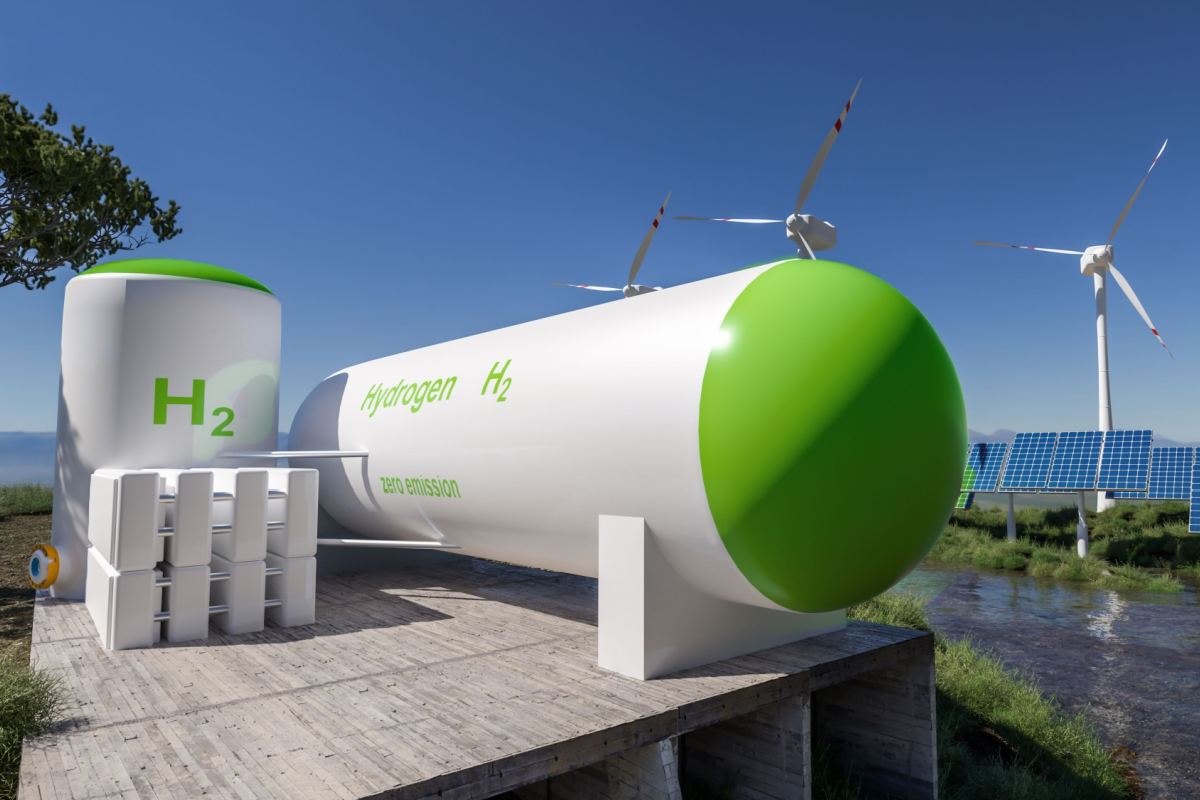
Green hydrogen is produced by water electrolysis powered by renewable electricity such as wind and solar. Even then, “green” can overlook the environmental footprint of manufacturing and transporting the equipment required.
Where Green Hydrogen Stands Today
Green hydrogen remains a tiny slice of global supply at less than 1% of total hydrogen production. In the United States, Barile says about 95% of hydrogen production is still grey, indicating how far the transition must go. The encouraging point is that the foundational technologies already exist: renewables can provide electricity, electrolyzers are mature, and hydrogen use technologies like fuel cells and industrial burners are well developed. The bottlenecks are largely economic and logistical rather than scientific.
Best Use Cases: The Hard-to-Electrify Economy
Early optimism in the 2000s imagined hydrogen powering cars, homes, and grids, but battery technology advanced rapidly and now dominates most electrification pathways. Barile argues hydrogen’s strongest role is not in typical passenger vehicles or home energy, but in sectors that are difficult to electrify at scale. These include steel, cement, glass, chemicals, shipping, and long-haul trucking, where energy density, process heat, and operational constraints can make direct electrification challenging.
Climate Impact and What Must Change
Replacing high-emissions grey hydrogen with green hydrogen could significantly reduce emissions in heavy industry and transport. Barile suggests green hydrogen could account for up to 20% of total energy demand by 2050 if adopted widely, avoiding billions of tons of cumulative carbon emissions. The hurdle is cost: green hydrogen must fall from roughly $4 to $6 per kilogram to about $1 to $2 per kilogram to compete with less clean options. Achieving that depends on cheaper renewables, scaled electrolyzer manufacturing, expanded distribution infrastructure, and sustained policy support. Rising natural gas prices in some regions could also accelerate the shift by improving green hydrogen’s economics.
Conclusion
Hydrogen’s promise is real but highly conditional. It is a powerful energy carrier when produced cleanly, yet it competes in a world where batteries increasingly dominate standard electrification. Green hydrogen’s mainstream adoption hinges on cutting costs, building infrastructure, and aligning policy with industrial deployment. If those pieces come together, green hydrogen could become a major decarbonization tool for heavy industry and long-distance transport by the mid-2030s, complementing other clean technologies rather than replacing them.