


Introduction
Seattle’s push for more “middle housing” and faster electrification is colliding with an unexpected constraint: the city’s power distribution system. Developers and housing advocates say delays and costs tied to connecting new fourplexes and sixplexes to electricity are undermining project feasibility and, in some cases, stopping homes from being built. Seattle City Light argues the problem is structural and safety-driven, and that new density plus electric heat and vehicle charging are pushing overhead infrastructure beyond its limits.
A Fourplex Project Becomes a Cautionary Tale
Developer Perpetuity LLC said a fourplex in Seattle’s Central District took more than two years to connect to power, longer than the construction itself, and cost more than $270,000. The company said the delays contributed to the project becoming unprofitable. Builders argue this experience is not isolated and reflects a wider bottleneck in utility coordination, permitting, and design timelines.
The Policy Change That Raised the Stakes
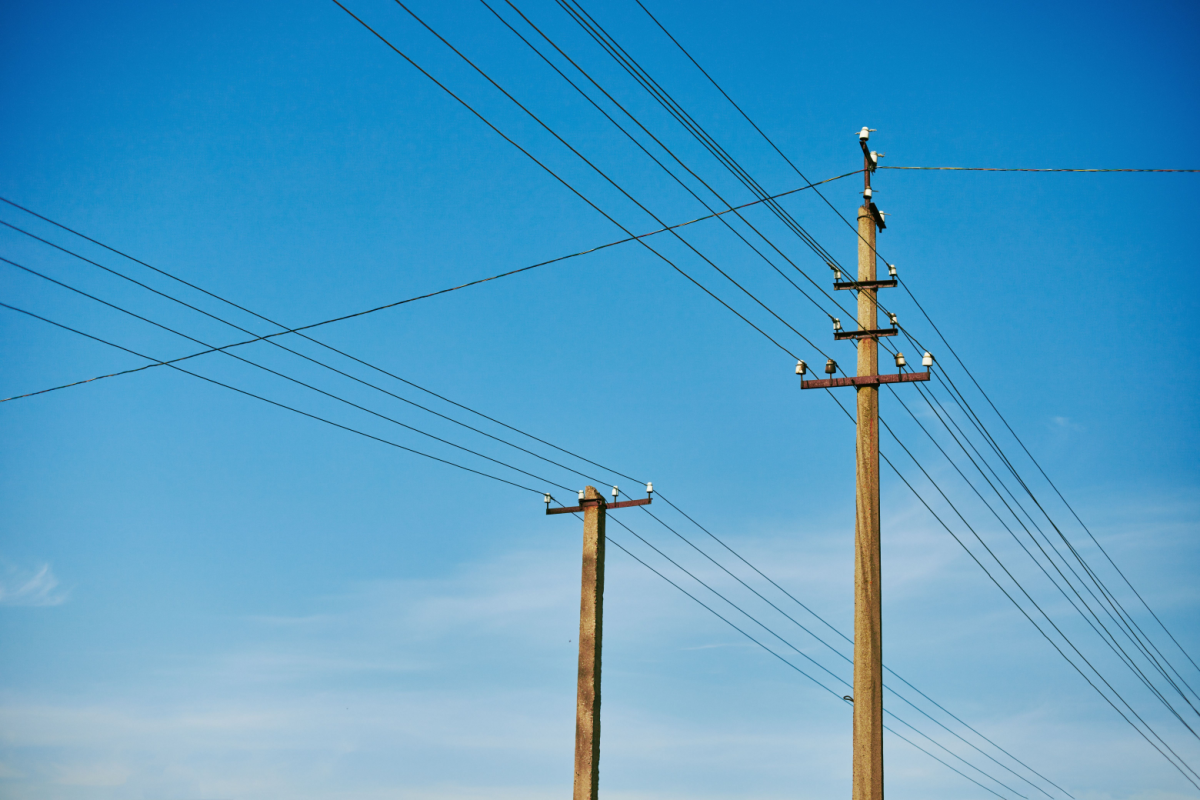
In February 2025, Seattle City Light adopted a policy requiring new housing with four or more units on a lot to connect to the electrical grid underground. Previously, fourplexes could connect overhead using existing power poles. Developers say undergrounding often forces coordination across multiple city departments, with unpredictable permitting timelines and significant design and engineering work. Critics argue the rule treats small “middle housing” projects more like large multifamily buildings, shifting complexity and cost onto smaller builders.
Why the Utility Says Overhead Connections Are Risky
Seattle City Light says recent housing and climate policies have increased electrical demand in ways that overhead systems were not built to accommodate. New state energy codes since 2023 have pushed electric heat pumps in new homes, and Seattle has required EV charging capability in new homes with off-street parking since 2019. A lot that formerly held one home can now hold four homes in most areas and up to six near transit under the state’s middle housing framework implemented locally last June.
The utility argues that serving multiple electrified homes often requires heavier gauge wires and sometimes larger transformers, adding weight and mechanical stress to wooden poles. In storms, heavier lines and equipment can increase the risk of pole failure. Seattle City Light officials say undergrounding is the safest way to handle the load, even if it is costly.
Who Pays and How Costs Hit Housing Supply
Undergrounding can require conduit, concrete vaults, street restoration, traffic control plans, and coordination to avoid other utilities. It becomes more complex when lines are on the opposite side of the street, which may require boring under public right of way and additional permits.
Builders report that costs can be large and timelines can be worse. Some say City Light’s internal process averages 8 to 10 months but can stretch to two to three years, leaving finished buildings waiting for power while carrying high interest payments. One builder reported undergrounding and associated street work added more than $700,000 to a $12 million townhome project. Housing advocates warn that when costs rise, fewer homes get built, tightening supply and pushing prices upward.
Early Signals and Permitting Trends
Seattle issued permits for 9% fewer townhome and row house units in 2025 compared with the prior year, dropping from 634 to 579, even as more lots became eligible for fourplexes and sixplexes. Builders say high interest rates and pricing conditions already squeeze projects, and the undergrounding rule adds another barrier, especially for small developers.
Potential Fixes Under Consideration
Seattle City Light is exploring alternatives that could preserve overhead connections while reducing pole risk. One option is installing stronger poles, including thicker fiberglass poles that may support heavier equipment. The utility has indicated it may begin limited pilot testing with developers later this year, while noting potential neighborhood concerns about aesthetics.
Another option is the use of smart electrical panels that can manage peak loads by throttling specific circuits such as EV charging. This approach could allow multiple units to share a thinner overhead service line if aggregate load stays within limits. However, Seattle City Light notes a barrier: smart panels are not yet recognized for this purpose under the National Electric Code. Wider adoption could also change how residents think about electricity use, including peak timing and shared constraints.
Conclusion
Seattle’s effort to build more homes and electrify buildings is running into a practical infrastructure constraint that developers say is slowing projects, raising costs, and chilling middle housing construction. Seattle City Light views undergrounding as a safety-driven response to heavier loads from added density, heat pumps, and EV readiness. The debate now centers on how to distribute costs and risks so that electrification does not unintentionally reduce housing supply. Pilot programs for stronger poles and smart panels could offer a path forward, but scaling any solution will require coordination, clearer timelines, and a financing approach that aligns utility engineering with housing goals.