


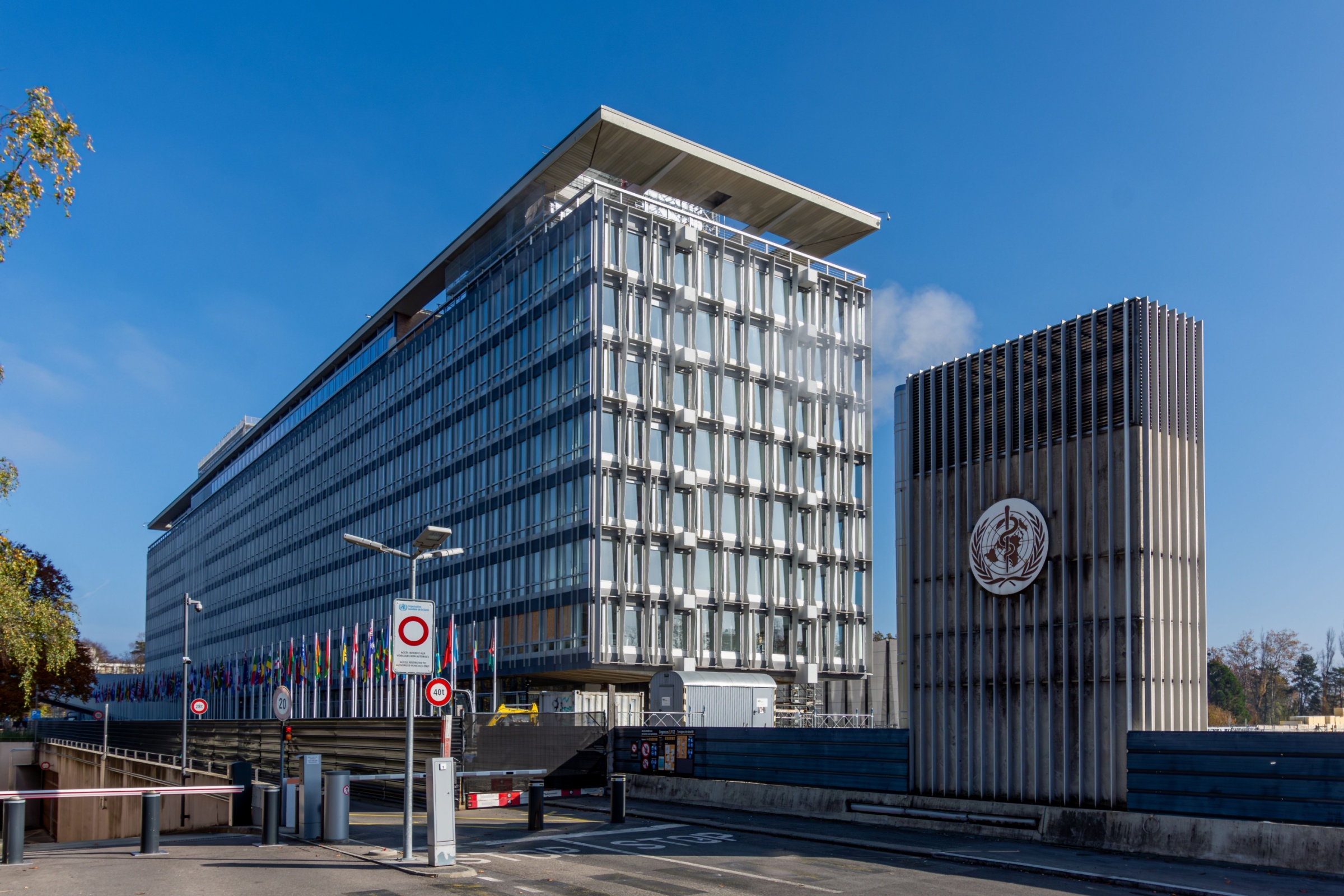
The attacks on hospitals in Iran have drawn fresh alarm after the World Health Organization said it verified 13 attacks on health care sites in Iran. WHO Director-General Tedros Adhanom Ghebreyesus disclosed the tally during a briefing as regional fighting continued.
WHO said the verified incidents included harm to hospitals and other health infrastructure. The agency reported at least three deaths linked to those verified attacks. It also said it continues to assess injury reports and additional claims from Iranian authorities.
At the same briefing, Dr. Hanan Balkhy, WHO’s regional director for the Eastern Mediterranean, described broader impacts on emergency response. She said Iran reported effects on four ambulances and said at least one hospital in Tehran needed an evacuation after nearby explosions.
Iran’s Health Ministry has also reported fatalities and injuries among medical workers. Those figures have not always been independently confirmed by outside observers. Still, the repeated damage reports have kept attention on protecting health care.
What the Disruptions Mean for Care Delivery
Even when strikes do not directly hit a ward, nearby blasts can force evacuations and disrupt routine care. Hospitals can lose operating capacity quickly when windows, power systems, or oxygen delivery lines suffer damage. Ambulance disruptions also slow triage and transport during peak casualty periods.
WHO officials have warned that emergency measures strain an already-stressed system. Patients may need transfers across long distances, and hospitals can run short on beds and staff. These disruptions can affect urgent care and delay treatment for chronic diseases.
The regional spillover adds pressure too. WHO reported verified attacks on health sites in Lebanon as well, alongside deaths and injuries. That wider pattern complicates referrals, supply routes, and cross-border support between health systems.
Displacement intensifies the demand for basic services, including vaccines, maternal care, and infection control. WHO cited large displacement figures across the region, including tens of thousands of people forced to move. Population shifts can also raise outbreak risks in crowded settings.
Legal Protections and Global Calls for Restraint
International humanitarian law sets protections for civilians, medical workers, and medical facilities. WHO has repeatedly urged all parties to safeguard health care and avoid actions that jeopardize patient treatment.
In recent days, UN human rights experts also called for de-escalation and accountability related to the conflict. Their statement stressed civilian protection and raised concerns about the broader humanitarian fallout.
Iranian officials have described damage to hospitals and schools and have pressed for international action. Independent verification varies across incidents, but the growing number of reported disruptions has sharpened scrutiny of targeting decisions.
For health leaders, the key concern remains continuity of care. When patients fear traveling to hospitals or clinics, they often delay treatment. That pattern can raise preventable deaths, especially for time-sensitive emergencies like trauma and cardiac events.
Supply Lines, Medical Logistics, and the Next Risks
Beyond direct damage, conflict can cripple the logistics that keep hospitals functioning. WHO said regional transport disruptions temporarily knocked its Dubai logistics hub offline. That hub supports delivery planning and routing for medical supplies.
Medical systems depend on steady access to fuel, medicines, and sterile equipment. When routes close or shipments stall, hospitals ration critical items. These limits can hit dialysis, surgery, and intensive care first.
WHO says it is still working to verify additional reports and assess needs on the ground. The agency has also emphasized that protecting ambulances and first responders remains essential for emergency response. As fighting continues, health officials expect the pressure on facilities to grow.
The continuing attacks on hospitals in Iran now sit at the center of a wider debate about civilian protection. WHO and other international bodies have urged restraint and clear safeguards. They warn that each disruption can echo far beyond the blast zone.