


The debate over clock changes usually centers on sleep, health, and lost routine. But the wildlife benefits of daylight saving time may deserve a place in that conversation, too. Research suggests that later evening light can reduce the overlap between heavy human traffic and the periods when many animals become most active, especially around dusk.
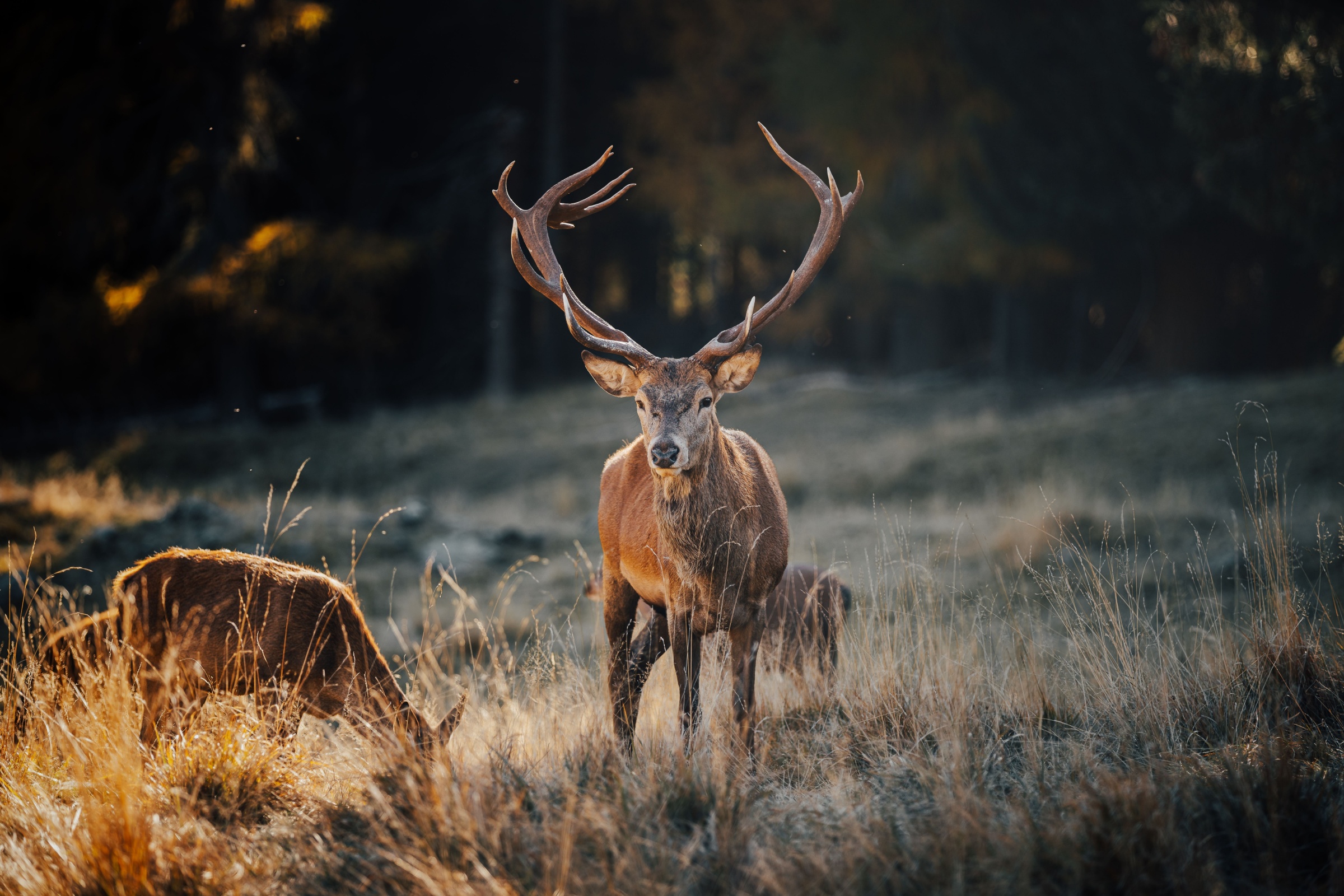
That timing matters on roads. In many regions, deer and other wildlife move most often near dawn and dusk, which already creates a collision risk. When darkness arrives earlier during the evening commute, drivers and animals share the road at exactly the wrong time. The result can be deadly for wildlife and dangerous for people.
Deer Studies Point to a Clear Traffic Effect
Some of the strongest evidence comes from deer-vehicle research. A 2022 study in Current Biology estimated that keeping year-round daylight saving time would prevent about 36,550 deer deaths, 33 human deaths, 2,054 human injuries, and roughly US$1.19 billion in collision costs each year in the United States. The same study projected that permanent standard time would push collisions much higher.
Researchers found that crash risk rises sharply just after dark. The work notes that deer collisions occurred about 14 times more often just after dark than before sunset, which helps explain why extra evening daylight can matter so much. Other studies, including work on white-tailed deer in New York, also found that crashes increase after the fall clock change, when darkness returns earlier to late afternoon and evening roads.
The Benefit Extends Beyond Deer
The idea does not apply only to deer. A 2016 study on wild koalas in southeast Queensland found that daylight saving time could reduce wildlife collisions by shifting commuter traffic away from the hours when animals cross roads most often. That study framed the issue as a timing problem: change the light, change the overlap, and you can lower risk without changing animal behavior itself.
That helps explain why daylight saving time wildlife benefits may show up most clearly in urban and suburban edges, where roads cut through habitat and animal movement intersects with predictable rush-hour traffic. For species that already struggle with habitat loss, every reduction in vehicle collisions can matter. Scientific American’s report highlights that wildlife may gain from the same later sunsets many people enjoy, even if humans still dislike the clock change itself.
Wildlife Gains Do Not Erase Human Health Concerns
None of this means daylight saving time is broadly “good” in every sense. Health researchers have repeatedly warned that the spring shift disrupts sleep and circadian rhythms for many people. The point is narrower: when scientists specifically examine animal-vehicle collisions, later evening light appears to reduce a well-documented road danger.
That makes the policy debate more complicated than a simple choice between convenience and inconvenience. If lawmakers revisit whether to keep seasonal clock changes or adopt a time system year-round, wildlife safety may become part of the case. At minimum, the research suggests that evening daylight does more than brighten commutes. In the right settings, it may save animal lives and reduce harm to drivers, too.