


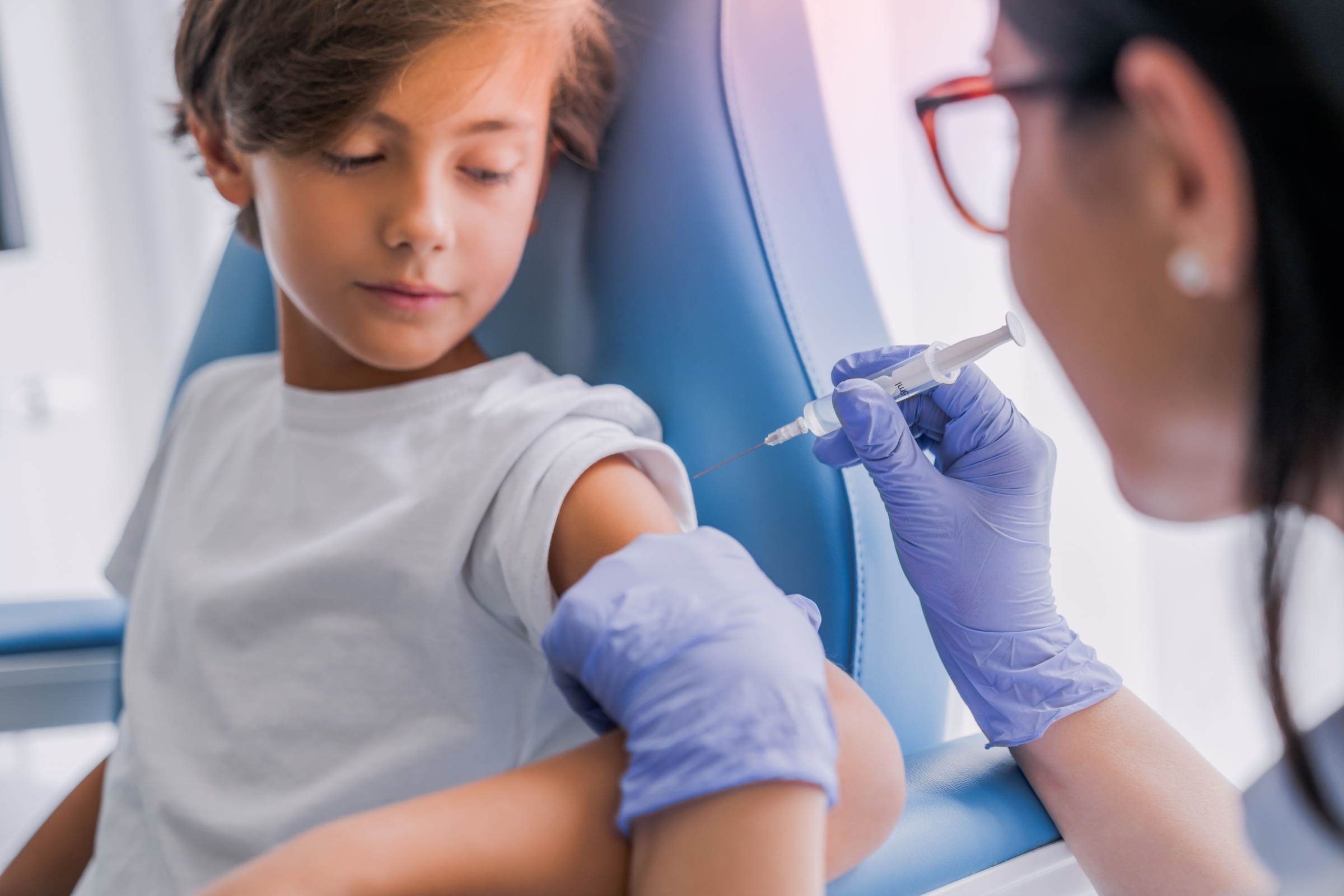
Vaccine skepticism is emerging in new health data from hospitals across the United States, where fewer newborns are receiving the hepatitis B shot soon after birth. A JAMA study tracked 12.4 million newborns at Epic-linked hospitals in all 50 states and found a marked decline after years of gains.
Researchers reported that birth-dose hepatitis B vaccination rose from 67.5% in 2017 to a peak of 83.5% in February 2023. It then dropped to 73.2% by August 2025, a decline large enough to affect hundreds of thousands of infants each year.
Because hospitals give this dose within about 24 hours of birth, families do not face the usual problems of missed appointments or transportation delays. That makes the decline more notable. In many cases, a missed birth dose reflects an active decision to delay or refuse it.
The study’s lead author, cited in coverage of the findings, estimated that roughly 400,000 or more babies a year are now declining or delaying the shot. That shift offers one of the clearest behavioral signals that vaccine attitudes are changing.
Why Public Health Officials Watch This Vaccine Closely
Hepatitis B can spread during childbirth and through close household contact in infancy. Health officials moved to universal newborn vaccination in 1991 after earlier screening-based approaches missed cases. Those older strategies relied too heavily on testing and follow-up in a fragmented health system.
The American Academy of Pediatrics still recommends a hepatitis B dose within 24 hours of birth for all medically eligible newborns. The group kept that guidance in place even after federal policy shifted.
Public health experts view the birth dose as a strong backstop because it protects babies before families leave the hospital. It also reduces the risk created by missed maternal infections, false-negative tests, or delayed follow-up care. Earlier U.S. efforts that depended on screening alone still left 50 to 100 infants infected each year, according to cited historical data.
After the U.S. adopted universal newborn vaccination, annual infant hepatitis B infections fell to fewer than 20 cases, according to data cited in recent reporting and pediatric guidance. That record helps explain why pediatric groups continue to defend the policy.
Policy Changes Could Deepen the Trend
The drop in newborn vaccination began before the latest federal policy changes, but those changes may intensify the trend. Vox reported that the CDC moved hepatitis B and five other childhood vaccines out of its universal recommendation framework and into shared clinical decision-making.
That move has widened the gap between federal guidance and pediatric guidance. The AAP continues to support universal newborn hepatitis B vaccination, while some states have indicated they will continue to follow pediatric recommendations rather than the revised federal approach.
Researchers warn that the consequences may not fall evenly. Countries that rely on narrower hepatitis B strategies often pair them with stronger national health systems, registry tools, and consistent follow-up. The United States does not always provide that level of coordination. Vox also noted that more than 27 million Americans were uninsured at some point in 2024, which weakens follow-up care for many families.
That is why this vaccine skepticism health data matters beyond one shot. It reflects both a cultural shift and a systems problem. When trust falls, and public health infrastructure remains uneven, even small policy changes can create larger downstream risks.
The Broader Warning Sign for U.S. Immunization
The concern does not stop with hepatitis B. The CDC’s measles tracker, updated March 6, 2026, shows the country has already recorded far more measles cases this year than many recent annual totals. That rise has added urgency to debates about routine childhood immunization.
Public health researchers have long warned that skepticism toward one vaccine can spill into attitudes toward others. Vox cited studies showing that distrust shaped by the Covid-19 era has spread into broader doubts about standard immunization. Unlike opinion polls, hospital and surveillance records show what families actually do.
That is why the newborn hepatitis B decline has drawn so much attention. It appears in clinical records, covers millions of births, and tracks a change in real behavior. For health officials, that makes it one of the most concrete early signs that skepticism is moving from public debate into measurable outcomes.
As states, pediatric groups, and federal agencies diverge, the next phase of the debate may play out less in speeches than in pediatric wards, vaccination records, and outbreak reports. The latest health data suggests that the shift in vaccine skepticism is already underway.