

Researchers in Japan say hand photo AI detects acromegaly with promising accuracy, raising the possibility of faster screening for a rare hormone disorder that often goes undiagnosed for years.
Acromegaly, a rare condition, occurs when the body produces excessive growth hormone, usually in adulthood. Early signs often include enlarged hands and feet. Delayed diagnosis can have severe consequences, reducing life expectancy by about a decade if untreated.
The slow progression of the condition is a major factor in the problem. Changes in the body often happen gradually, so patients and clinicians may miss them at first. According to the report, diagnosis can take up to 10 years, and roughly a quarter of patients experience delays beyond that. The disorder affects about 8 to 24 people per 100,000, which also makes it harder for non-specialists to recognize quickly.
Why Researchers Focused on the Back of the Hand
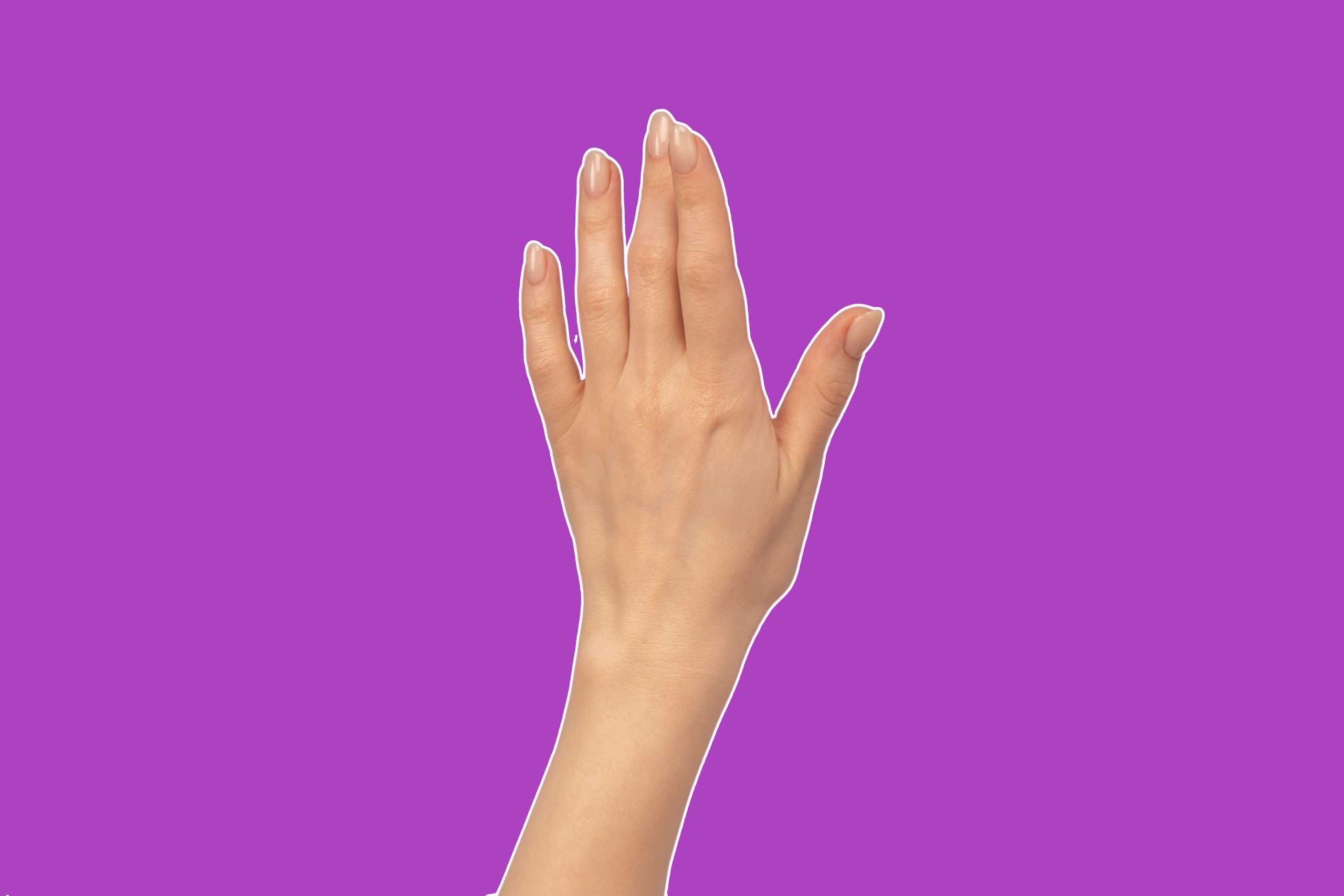
The team, led by researchers at Kobe University, chose to work with photos of the back of the hand and a clenched fist instead of facial images. That choice aimed to reduce privacy concerns while still capturing physical changes linked to acromegaly. The researchers noted that image-based detection tools have been explored before, but they have not become standard in clinical practice.
To build the system, the researchers enrolled 725 participants from 15 medical facilities in Japan, of whom about half had acromegaly. They then used more than 11,000 hand images to train and validate the model. By avoiding the palm and focusing on the back of the hand, the project tried to create a more anonymous and practical screening method.
The Model Performed Well Against Clinical Benchmarks
The results suggest the tool could become a useful early warning system. The model’s positive predictive value was 0.88, and its negative predictive value was 0.93, indicating it accurately identified acromegaly and strongly suggested its absence. In the same evaluation, the model also outperformed endocrinology specialists who reviewed the same photos.
Researchers described that performance as striking because the system relied only on hand images. Yuka Ohmachi, a graduate student at Kobe University, expressed surprise at the high diagnostic accuracy achieved without facial features. The study authors believe this approach is more practical for screening, especially in settings with privacy or access limitations that restrict detailed imaging.
Screening Tool, Not a Replacement for Specialists
Even with strong results, the researchers do not present the hand photo AI as a stand-alone diagnostic tool for detecting acromegaly. Doctors do not diagnose acromegaly from appearance alone. Endocrinologists also consider facial changes, voice, biochemical markers, and a patient’s broader medical history before confirming the disorder. The new tool would instead support earlier referral and help non-specialists decide when expert follow-up may be needed.
The team now wants to test whether the model works across larger, more diverse populations. They hope that similar image-based systems can flag other visible hand conditions, such as rheumatoid arthritis, anemia, and finger clubbing. The study, published in The Journal of Clinical Endocrinology & Metabolism, aims to connect suspected cases with specialists more quickly.