


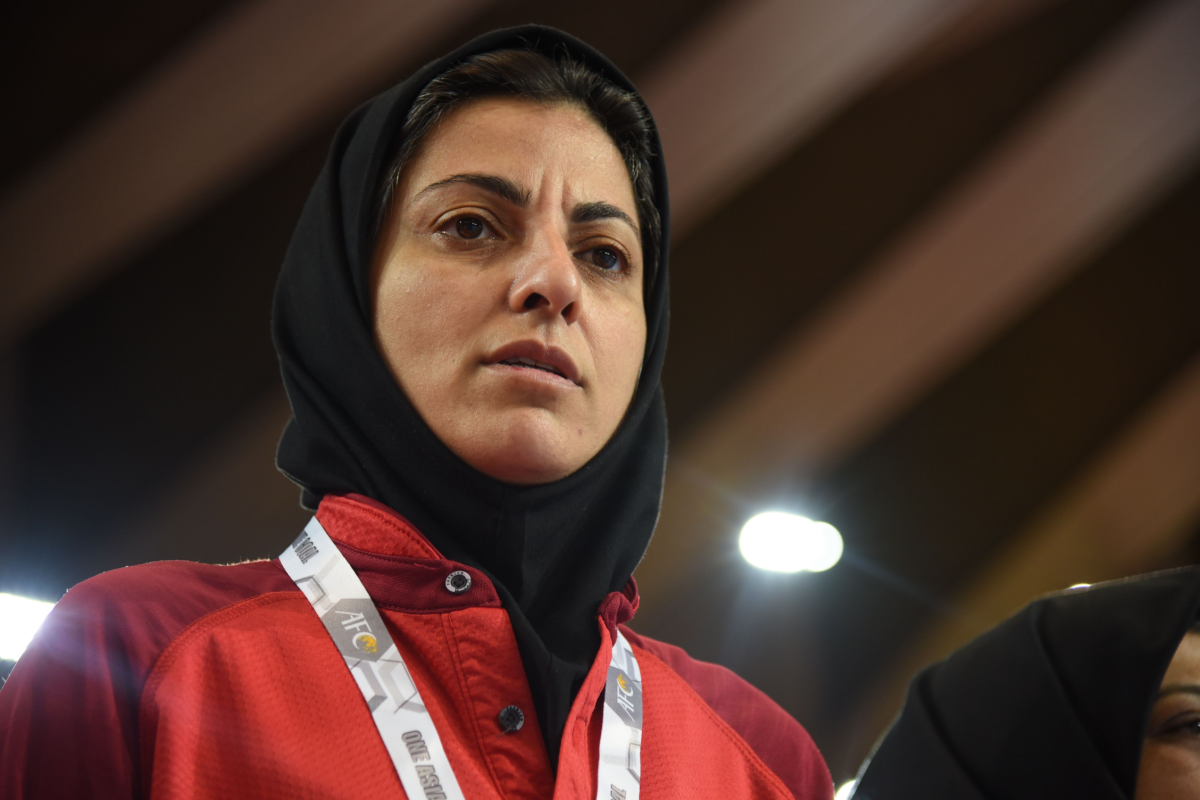
Australia granted asylum to five members of Iran’s women’s national soccer team after the players sought protection while in the country for a tournament, according to a government minister. The decision came as the conflict involving Iran has raised fears about the risks some individuals could face if they return home.
Authorities said the five players were moved from their hotel in Gold Coast to a secure location early Tuesday, after which their humanitarian visa processing was finalized. Home Affairs Minister Tony Burke said the women expressed relief at being able to begin new lives in Australia, while also emphasizing they did not want to be seen as political activists.
How The Decision Unfolded
Burke said the asylum requests were made directly by the players and handled rapidly by Australian officials once the applications were lodged. He described the mood during the final paperwork as “joy” and “relief,” adding that the women agreed to have their names and photos made public.
Australian officials did not provide specific details about the threats the women could face if they returned to Iran, but framed the move as a humanitarian response in a volatile security environment. Burke said the government’s priority was to offer a safe and lawful pathway for those who sought it.
Uncertainty For The Rest Of The Squad
The Iranian team arrived in Australia last month for the Women’s Asian Cup and was eliminated over the weekend. An official squad list included 26 players plus coaches and staff. Burke said Australia’s offer of protection was extended to all members of the delegation, and that the option would remain available for anyone who wished to speak with officials.
It was not immediately clear when the remaining team members were scheduled to depart. Outside the team’s hotel on Tuesday, a tense scene unfolded as members of the public attempted to delay a bus believed to be transporting some players away from the property. The bus was briefly held up but then left.
Anthem Moment Drew Attention
The team became a focus of public attention early in the tournament when some players did not sing the national anthem before an opening match, prompting speculation in Australia about whether it reflected protest, grief, or another message. The team did not publicly clarify the decision, and later sang and saluted during the anthem in subsequent matches.
One player, Sara Didar, became visibly emotional at a news conference during the tournament while describing concerns for families and civilians affected by the conflict.
Government Response And International Pressure
Prime Minister Anthony Albanese said Australians had been moved by the players’ situation and that officials had made it clear support was available. He also noted the athletes had to weigh their decisions carefully, including potential consequences for relatives and contacts back in Iran.
The situation also drew attention internationally after President Donald Trump urged Australia to grant asylum to any players who wanted it and said the United States would be willing to accept them if Australia did not. Albanese later said he spoke with Trump and discussed actions Australia had taken in the prior two days to support the athletes.
What Happens Next
Australian officials said the immediate focus is on ensuring the five players granted asylum have access to accommodation, legal support, and services that help them settle. The government said it will continue to engage with any remaining team members who request assistance, while monitoring the broader security situation in the region.