


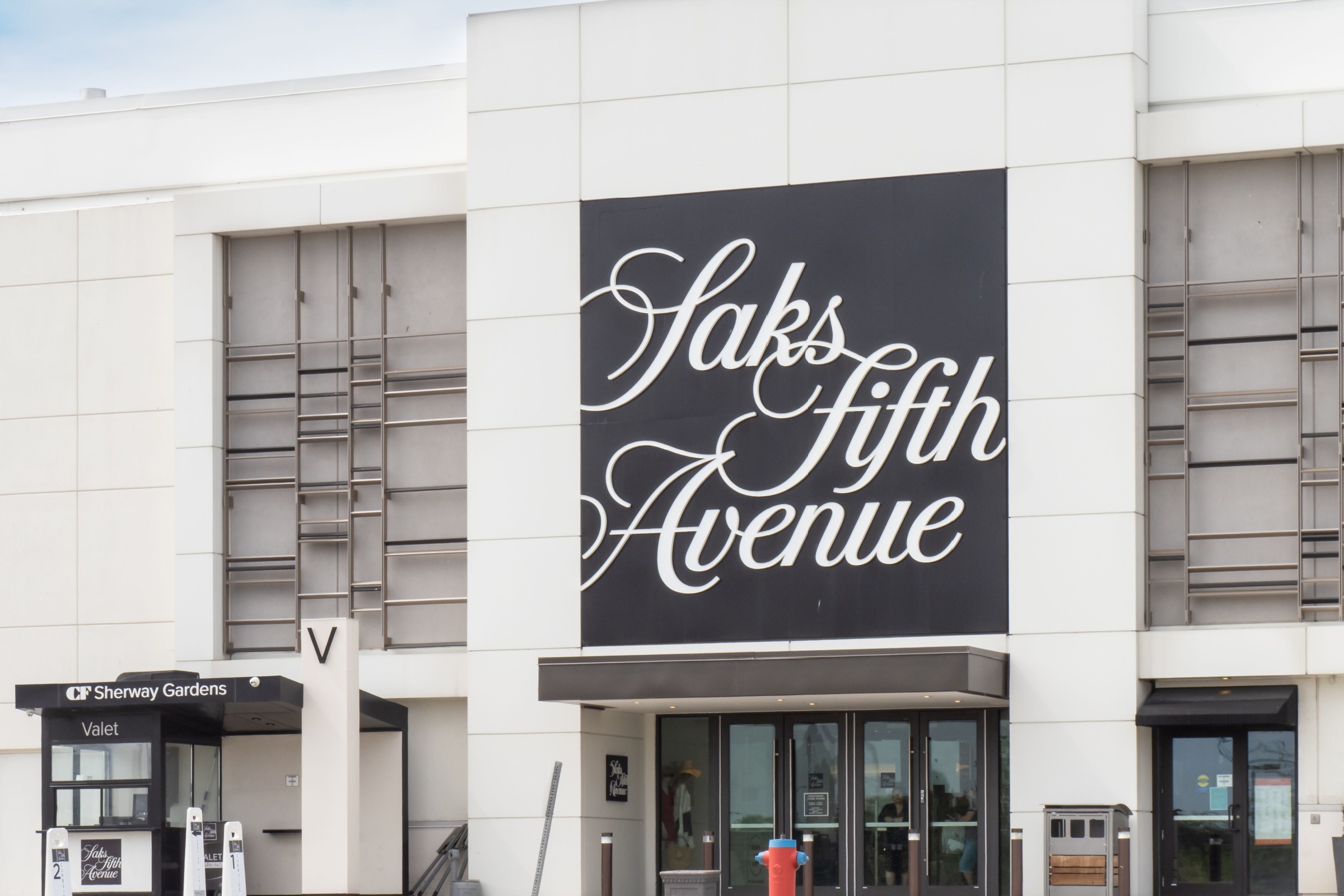
Saks Las Vegas closure plans will end one of the Strip corridor’s longest-running luxury retail tenancies. The Saks Fifth Avenue store at Fashion Show Mall is set to close after 45 years, according to local reporting and company announcements. The move is part of a broader Saks Global restructuring following the retailer’s Chapter 11 bankruptcy filing in January. The company recently announced 12 additional Saks Fifth Avenue closures and three Neiman Marcus closures nationwide.
The Las Vegas location sits on Las Vegas Boulevard at Fashion Show, a mall long tied to high-traffic tourism and luxury shopping. Its closure stands out because the store has operated there since 1981, according to local coverage. Saks Global has said it is narrowing its store portfolio to focus on stronger-performing luxury markets and higher-potential locations. That strategy now reaches one of Las Vegas’ best-known department store addresses.
Closure Tied To National Restructuring
Saks Global announced the latest round of closures on March 6. The company said the new cuts build on an earlier round of store shutdowns in February. After the latest wave, Saks Global said 13 Saks Fifth Avenue stores and 32 Neiman Marcus stores will remain. The company also said Bergdorf Goodman’s footprint will not change.
The official closure list includes the Las Vegas Boulevard store. Other Saks stores on the list include locations in Chicago, Chevy Chase, Costa Mesa, Raleigh, San Antonio, Sarasota, St. Louis, and Tysons. Three Neiman Marcus stores are also set to close in Honolulu, Canyon Park, and White Plains. The published store list makes clear that the Las Vegas site is part of a national reduction, not an isolated local decision.
Company leadership has framed the cuts as a portfolio optimization effort. Saks Global said it wants to emphasize its “best-performing and most desirable locations” in markets with strong luxury demand. Reuters reported that the company has been working with landlords to stabilize operations after missing vendor payments and experiencing inventory disruptions. The company also said more than 500 brands had resumed shipping, representing about $1.3 billion in retail receipts.
What The Las Vegas Store Has Represented
The Saks Las Vegas closure carries local weight because the store has been an anchor at Fashion Show mall for decades. Local reporting described it as a luxury anchor tenant and noted its 45-year run. That longevity matters in a city where retail concepts often change quickly. It also gave the mall a long-standing department store presence tied to higher-end brands.
Fashion Show remains one of the Strip area’s most visible retail properties. The mall sits near major resort traffic and competes in a corridor filled with destination shopping. Over time, however, Las Vegas luxury spending has become more concentrated around properties such as Wynn and The Shops at Crystals. That broader shift has shaped how retailers evaluate large-format department stores in the market.
The closure also reflects a wider strain on traditional department store formats. Saks Global’s bankruptcy followed weak sales, supplier payment issues, and a complex integration following its Neiman Marcus acquisition. Reuters reported that vendors, including major luxury groups, had raised concerns before financing was finalized. In that context, even legacy stores in prominent markets have become vulnerable.
What Happens Next At Fashion Show
Neither Saks Global nor public mall materials have yet outlined a successor tenant for the space. Local coverage did not identify a replacement or redevelopment plan. That leaves open questions about whether the property will seek another anchor, divide the footprint, or reposition the space for multiple users. For now, the main confirmed fact is that the long-running store is leaving.
The timing also matters for Fashion Show as Las Vegas retail continues to adjust to tourism patterns and changing luxury habits. Large anchor vacancies can reshape mall traffic, tenant mix, and leasing strategy. At the same time, luxury retail is still active in Las Vegas, though it is increasingly concentrated in curated resort-centered environments. That means the space may still hold value, even if the department store model has weakened.
For Saks Global, the Las Vegas exit is part of a larger attempt to emerge leaner from bankruptcy. For Fashion Show, it marks the end of a tenancy that lasted nearly half a century. The Saks Las Vegas closure, therefore, lands as both a local retail milestone and a national restructuring datapoint. In practical terms, it closes a long chapter in the history of Strip-area shopping.