


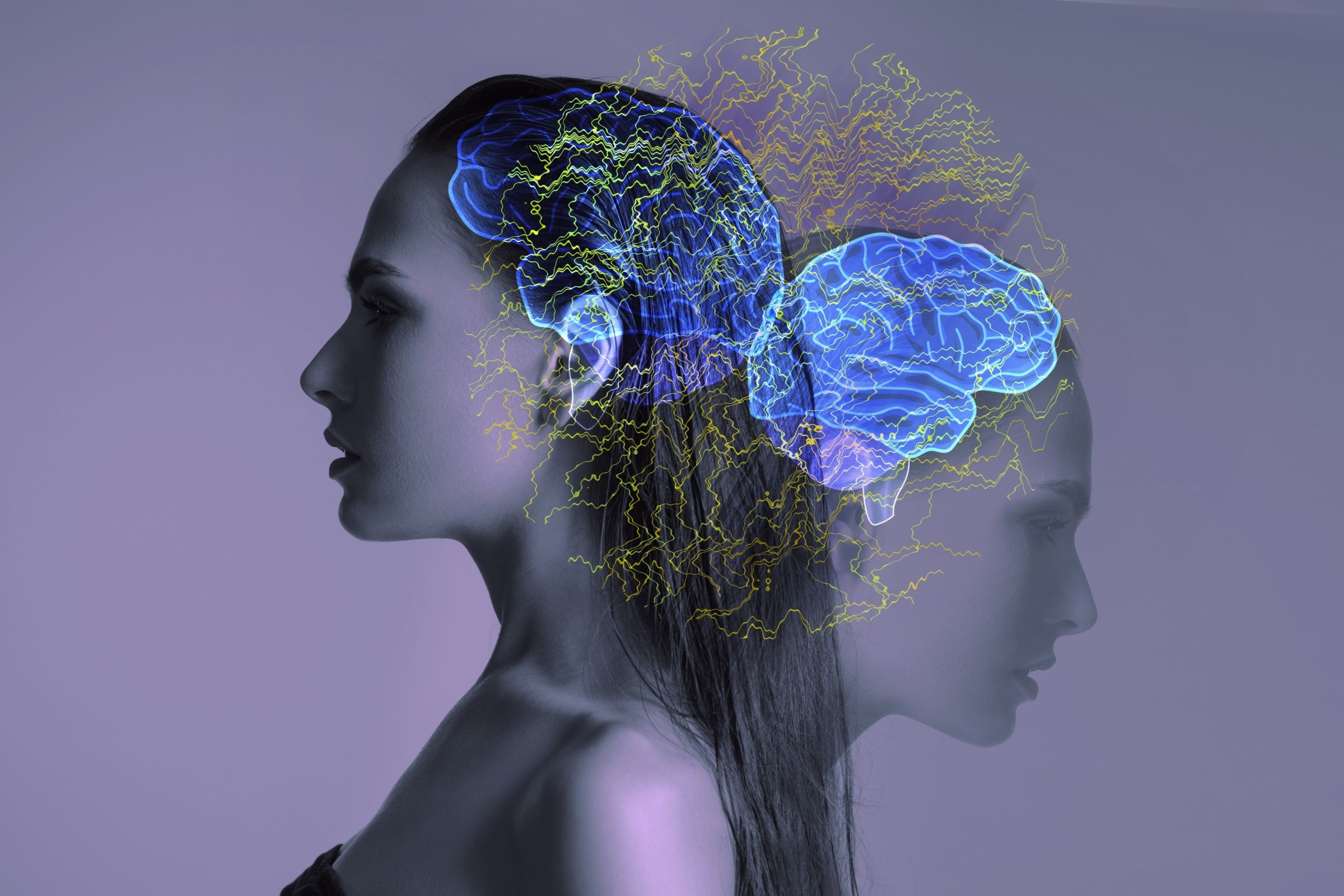
A new study suggests that a depression brain cell energy imbalance may help drive major depressive disorder early on. Researchers from the University of Queensland and the University of Minnesota analyzed brain scans and blood samples from young adults. They found an unusual pattern in how cells produced and used energy.
The team focused on adenosine triphosphate, or ATP, the molecule cells use to store and transfer energy. In participants with depression, brain and blood cells made more ATP while at rest. But when demand increased, those same cells struggled to raise energy production. Researchers say that mismatch may help explain fatigue, low motivation, and slowed thinking.
Brain Scans and Blood Tests Pointed to the Same Problem
The study included 18 participants ages 18 to 25 with major depressive disorder. Scientists compared their brain scans and blood samples with those from people without depression. They said this was the first time they had detected the same ATP-related pattern in both the brain and bloodstream of young people with the disorder.
Susannah Tye of the Queensland Brain Institute said the findings suggest that depression symptoms may reflect basic changes in how brain and blood cells use energy. That matters because fatigue is one of the most common symptoms of major depression. It is also one of the hardest to treat. Researchers say limited biological insight has slowed the search for better therapies.
Cells Worked Hard at Rest but Faltered Under Stress
The researchers said the result surprised them. They had not expected cells in depression to produce more energy at baseline. Instead, the data suggest that the cells may work harder than normal at rest, then lose the ability to respond well under stress. Roger Varela of the Queensland Brain Institute said this pattern may mean the cells “overwork” early in the illness.
That reduced reserve capacity may help explain the symptoms many patients notice quickly. If cells cannot meet rising energy demand, mood and mental performance may suffer. The authors link that weakness to low mood, reduced motivation, and slower cognitive function. They also say the findings support the idea that depression does not look biologically identical in every patient.
The Findings Could Shape Earlier Diagnosis
Researchers say the study could pave the way for earlier diagnosis and more targeted care. Because the changes appeared in both brain scans and blood cells, the work hints at possible biological markers. In the future, such markers might help clinicians identify risk earlier, rather than relying solely on reported symptoms.
The study was led by Katie Cullen at the University of Minnesota. The brain imaging method used to measure ATP production was developed by Xiao-Hong Zhu and Wei Chen. The findings appeared in Translational Psychiatry. The sample was small, so more research is still needed. Even so, the study offers a clearer clue to how depression may begin at the cellular level.