


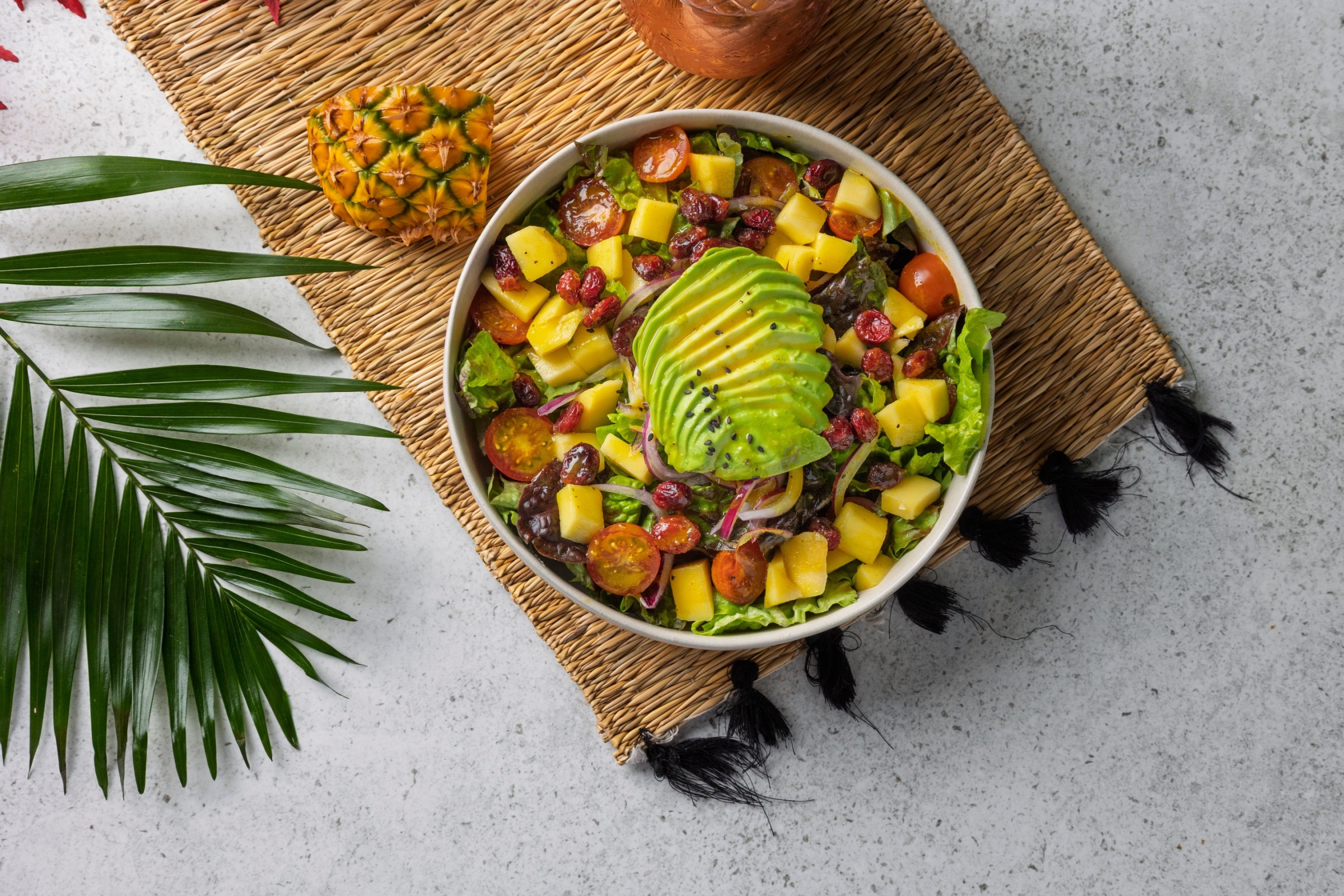
A new study suggests that mango-avocado blood pressure benefits may be possible, but the evidence remains preliminary and limited. Researchers followed 82 adults with prediabetes for eight weeks and compared a daily mango-and-avocado plan with a calorie-matched control diet.
Participants in the fruit group ate 1 cup of mango and 1 cup of avocado each day. Both groups received prepared meals and snacks, though they still made some food choices at home. The goal was to see whether a simple diet change could improve cardiovascular markers.
The main result centered on flow-mediated dilation, or FMD, a test that shows how well blood vessels relax when blood flow increases. The mango-and-avocado group improved by about 1%, while the control group declined slightly.
Blood Pressure Effect Appears Narrow
The study did not show broad changes across every heart-related measure. Researchers reported a small drop in diastolic blood pressure among men in the mango-and-avocado group, while the control group saw that number rise. Health.com noted this effect did not extend to all participants in the same way.
The two groups also did not differ in changes to body weight, cholesterol, blood sugar, or inflammation markers. That makes the findings more modest than a headline about blood pressure alone might suggest. The clearer signal came from vascular function, not a large overall shift in cardiometabolic health.
Researchers highlighted that each 1% increase in FMD has been linked in past research to a lower risk of cardiovascular events. Still, this study measured an early marker, not hard outcomes like heart attack or stroke.
Why These Fruits Drew Interest
The study authors and outside experts pointed to nutrients that may help explain the results. Mangoes and avocados provide vitamin C, potassium, fiber, and plant compounds that may support the inner lining of blood vessels. Avocados also supply monounsaturated fat, which may help the body absorb some beneficial compounds.
Participants in the fruit group also consumed more fiber, vitamin C, and healthy fats overall during the trial. That broader nutrition pattern may have contributed to the improvement in vascular function. In other words, the result may reflect a full dietary shift rather than one isolated nutrient.
Even so, the researchers did not directly prove the mechanism. They tested an eating pattern and measured its effects, but did not determine exactly how the combination worked within the body.
Why Experts Urge Caution
The trial was small, short-term, and limited to adults with prediabetes. That means the findings may not apply to the wider population. Health.com also reported that the study was funded by the Hass Avocado Board and the National Mango Board, a detail that adds context for readers assessing the evidence.
Cardiologists quoted in the report stressed that the bigger message is not that everyone should eat a fixed amount of mango and avocado every day. The stronger takeaway is that small, consistent food choices can support heart health over time.
For now, the evidence suggests that mango-avocado effects on blood pressure are possible in a narrow group, but the strongest finding involved blood vessel function, not a sweeping blood pressure benefit. The study adds another data point in favor of fruit-rich eating patterns, though larger, longer trials will need to confirm how meaningful the effect really is.