


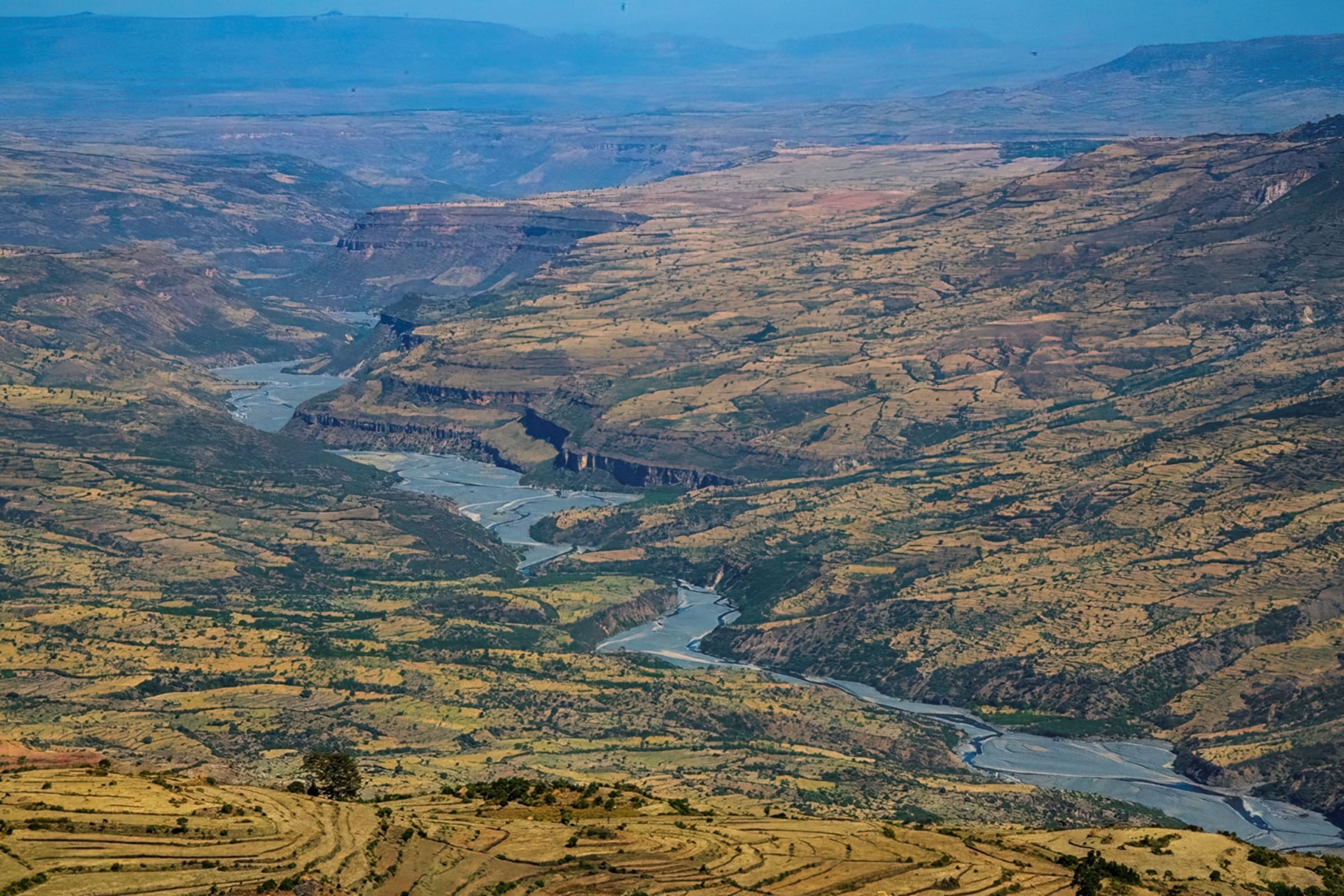
The Afar, the African continental rift in Ethiopia, has drawn new attention because the region offers scientists a rare live view of how a continent begins to split. In northern Ethiopia’s Afar region, three rift systems meet in a Y-shaped junction. Over geologic time, that stretching has thinned the crust and moved the land toward a stage that could eventually produce a new ocean basin.
Researchers value Afar because most late-stage continental breakup happens underwater, where direct observation is far harder. In Afar, much of the process remains exposed on land. That gives geologists a clearer view of how tectonic plates separate, how magma rises, and how continental crust begins to transition into oceanic crust.
Scientists Link the Rift to Pulses Deep Below
A recent study highlighted in current coverage points to a deep mantle plume beneath Afar that does not behave like a steady, uniform upwelling. Instead, researchers say the hot mantle appears to rise in rhythmic pulses, carrying distinct chemical signatures and interacting with the rifting plates above. That pulsing pattern may help explain why volcanism and crustal stretching vary across the region.
According to the study, the plume’s behavior matters because plate motion and deep-Earth flow appear to influence each other more closely than some earlier models suggested. Scientists collected volcanic rock samples across Afar and the Main Ethiopian Rift, then combined those data with geophysical evidence and statistical modeling to reconstruct what lies below the surface.
Why Afar Matters More Than the “Africa Is Splitting” Headline
The idea that Africa is splitting apart is not new. Continental rifting has shaped Earth for billions of years, and the Afar region is not the only place where it occurs. What makes this region special is its accessibility and its stage of development. It sits near the boundary between stretched continental crust and the first stages of seafloor formation, providing scientists with a natural laboratory to study how continents break up.
That does not mean a dramatic separation will happen anytime soon on a human timescale. Reports stress that any new ocean would take millions of years to form. Still, the process is active now, and even small shifts matter scientifically because they reveal how deep mantle activity, volcanism, and tectonic motion combine to reshape a continent.
The Rift Is Also a Test Site for Earth Science
The broader value of the African continental rift in Ethiopia extends beyond a single region. By studying Afar, scientists can test how mantle plumes affect plate breakup, how magma moves through thinning crust, and how continents transition into new ocean basins. Those questions matter for basic Earth science, but they also help researchers understand hazards such as volcanism, earthquakes, and crustal instability in active rift zones.
The new work does not claim that researchers have solved every mystery beneath Afar. But it strengthens the case that the continent’s breakup is tied not just to surface plate motion, but also to a dynamic engine deep inside Earth. That makes Afar one of the most important places on the planet for observing the early architecture of a future ocean as it takes shape.