


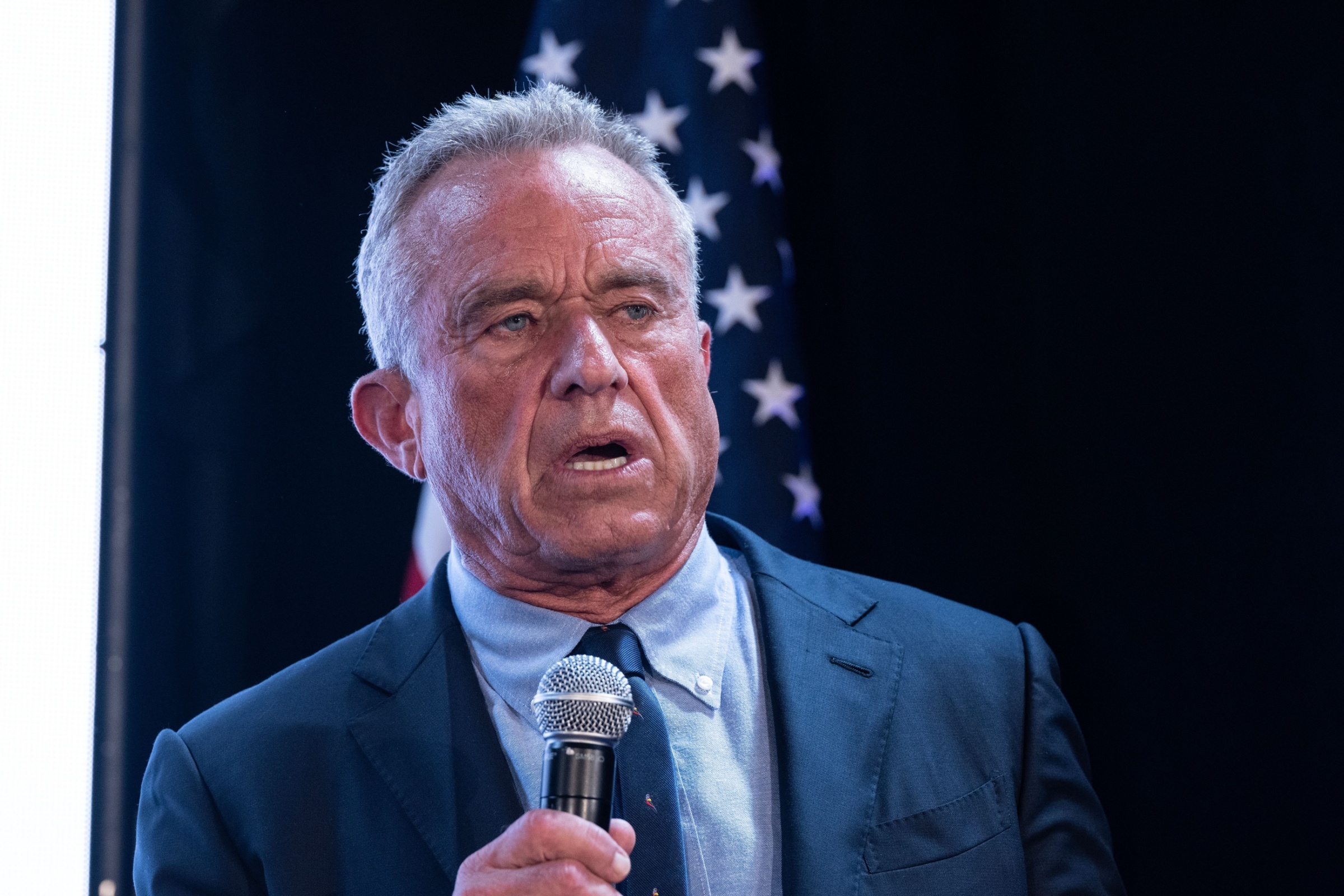
A federal judge has blocked major changes to the U.S. childhood immunization schedule, dealing a setback to Health Secretary Robert F. Kennedy Jr. and his vaccine agenda. The ruling stops the government from enforcing changes that had reduced the number of recommended childhood shots from 17 to 11.
The decision came after the American Academy of Pediatrics and other major medical groups sued the administration. They argued that Kennedy’s revisions violated federal law and bypassed the established scientific process used for vaccine policy. The case centered on both the substance of the changes and the manner in which officials made them.
Judge Brian Murphy of the U.S. District Court for the District of Massachusetts sided with the medical groups. In a 45-page ruling, he said the government had failed to follow the scientific and procedural standards required by law. He wrote that officials had undermined the integrity of the process by ignoring those methods.
Advisory Panel Shake-Up Also Put on Hold
Kennedy’s appointments to the Advisory Committee for Immunization Practices (ACIP), an outside expert panel advising the CDC on vaccine schedules, were suspended. Kennedy replaced all previous members with new appointees, many of whom expressed skepticism about vaccines.
Judge Murphy said the administration had not used the usual rigorous screening process when selecting the new panel members. He concluded that the committee had moved away from decisions grounded in a formalized, required scientific method under federal procedures.
As a result of the order, the Wednesday Acip meeting has been postponed, according to the Department of Health and Human Services. That delay adds another layer of uncertainty to an already contentious debate over vaccine policy and public health oversight.
Dispute Focused on Process and Public Health Risks
Murphy found that the administration bypassed Acip when changing the childhood vaccine schedule, a ruling now disputed. He called it a “technical, procedural failure,” reinforcing the court’s view that the administration lacked authority to act unilaterally.
The lawsuit also challenged other decisions Kennedy made after taking office. Those included reducing the number of recommended childhood vaccines and changing the longstanding recommendation that all newborns receive the hepatitis B vaccine. These changes had raised concern among pediatricians, hospitals, and insurers.
Doctors and parents have faced confusion since the changes took effect. One major concern has been whether insurance companies would continue to cover vaccines that had long been considered standard preventive care. Pediatric organizations warned that instability in the immunization schedule could erode public confidence and disrupt routine pediatric care.
Medical Groups Praise Decision as Administration Prepares Appeal
Medical groups that brought the case welcomed the ruling. The American Medical Association, the nation’s largest physician organization, called it an important step toward protecting Americans’ health, especially children. Other organizations have also issued vaccine guidance in response to Kennedy’s policy changes.
Some states have begun urging healthcare providers to continue following the pre-Kennedy immunization schedule. That response reflects a broader effort by public health institutions to preserve consistency while the legal fight continues.
The Trump administration is expected to appeal. In a statement, HHS spokesperson Andrew Nixon said the agency expects the ruling to be overturned. For now, though, the court’s order restores a legal check on Kennedy’s attempt to reshape federal vaccine policy and places the childhood vaccine schedule ruling at the center of a wider battle over science, law, and public health.