


New research suggests the DASH diet cognitive health connection may be stronger than many experts expected. In a large study published in JAMA Neurology in February 2026, researchers analyzed diet and brain health data from nearly 160,000 adults across two long-running Nurses’ Health Studies and the Health Professionals Follow-Up Study.
The researchers compared six generally healthy eating patterns. All six were linked to a lower likelihood of self-reported cognitive decline. But one diet stood out. People who followed the DASH diet most closely had a 41% lower risk of cognitive decline than those who followed it least closely.
The finding did not fully surprise the study team. Kjetil Bjornevik, an assistant professor of epidemiology and nutrition at Harvard T.H. Chan School of Public Health, said the diet’s effects on blood pressure may help explain the brain benefit. Hypertension is already recognized as a major dementia risk factor.
The study was observational, so it cannot prove that the diet directly prevented decline. Still, the scale of the data and the consistency of the results give the findings weight. Other healthy eating patterns in the study were also associated with benefits, cutting the likelihood of cognitive decline by 11% to 35%.
Why the DASH Diet May Help Protect the Brain
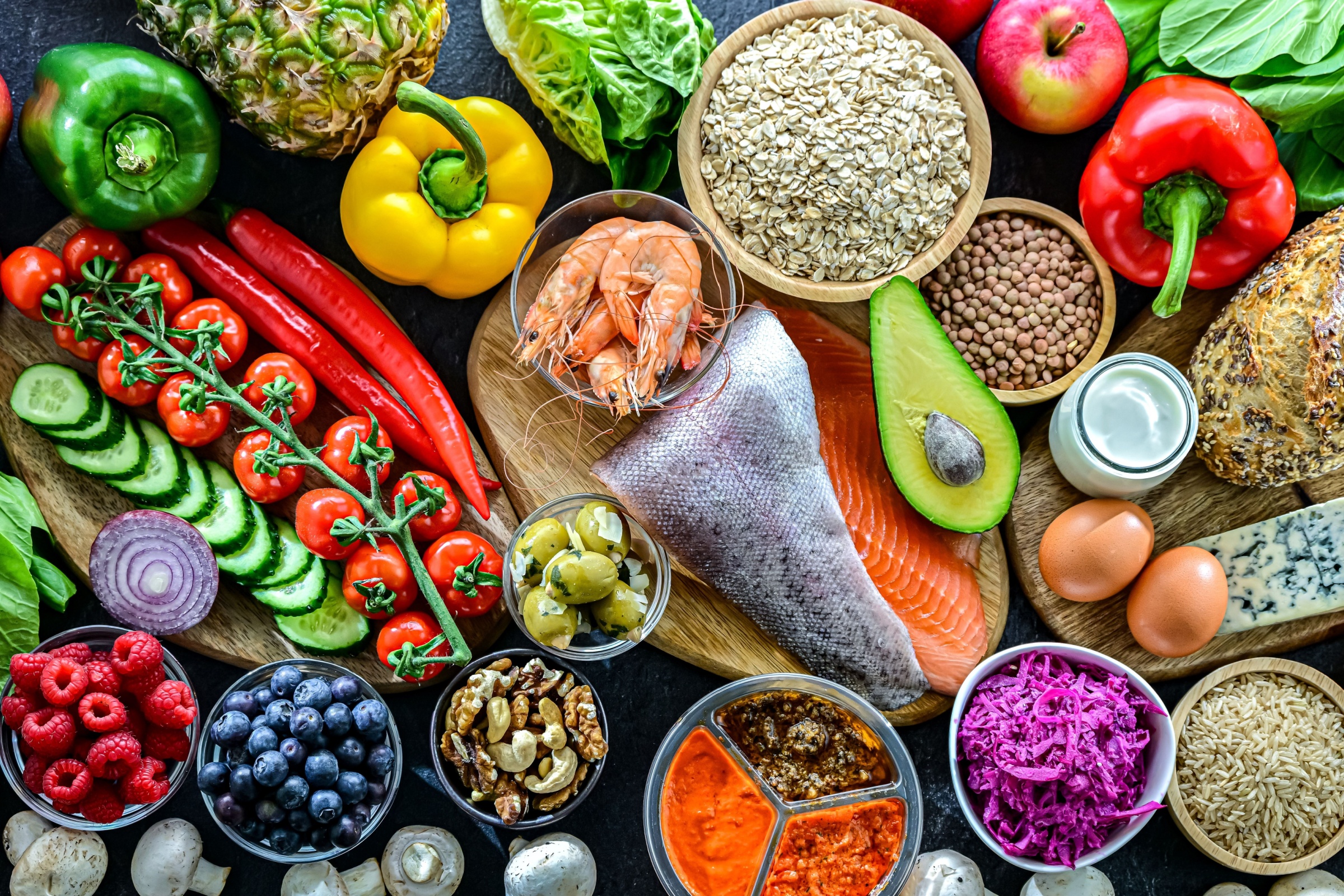
The DASH diet cognitive health link likely starts with cardiovascular protection. DASH, which stands for Dietary Approaches to Stop Hypertension, emphasizes vegetables, nuts, whole grains, and lean proteins. It also limits sodium, added sugar, and saturated fat.
That formula was first designed to lower blood pressure. Over time, researchers found that it may also improve cholesterol and reduce inflammation. Those effects matter because poor vascular health can damage small blood vessels in the brain and weaken long-term cognitive reserve.
Experts quoted in the report said the broader message is simple: what helps the heart often helps the brain. Better blood pressure control, lower inflammation, and improved metabolic health can all reduce conditions that may contribute to dementia later in life.
The study found the strongest association among people who followed the DASH diet between the ages of 45 and 54. That detail is important. Researchers say brain changes linked to cognitive decline often begin more than 20 years before symptoms appear. Midlife may therefore be a critical period for prevention.
Bjornevik said conditions such as hypertension and diabetes often emerge during those years. Addressing them early through diet may help protect the brain before damage becomes harder to reverse. That makes midlife dietary habits especially relevant for long-term brain health.
MIND Diet Adds More Support for Brain-Friendly Eating
A second study, published in March 2026, offered more evidence that diet may shape cognitive aging. That research followed 1,647 middle-aged and older adults and found that greater adherence to the MIND diet was associated with slower decline in total gray matter volume.
The MIND diet blends elements of the DASH and Mediterranean diets. It places added emphasis on foods such as berries, beans, seafood, nuts, seeds, and vegetables. Researchers say it was designed specifically to support brain health.
Other research has linked strong adherence to the MIND diet with a 53% lower risk of developing Alzheimer’s disease. That does not mean the MIND diet replaced DASH in the new analysis. DASH still showed the strongest result in the larger JAMA Neurology study. But together, the two studies point in a similar direction.
They suggest that brain health may respond well to dietary patterns that improve vascular function, reduce inflammation, and emphasize minimally processed foods. That overlap helps explain why several different diets showed benefits, even if DASH performed best in this comparison.
What This Means for Everyday Eating Habits
The findings do not suggest that people need a total diet overhaul overnight. Bjornevik said gradual changes may be more realistic and more sustainable. He recommended adding more vegetables, fish, and whole grains while cutting back on processed meats and sugary drinks.
Small changes can still matter. The article’s experts suggested simple swaps, such as choosing nuts instead of processed snacks. For people following DASH more closely, the plan also calls for limiting alcohol, sugary beverages, and foods high in saturated fat.
The diet also includes specific nutrient targets that support blood pressure control. The sodium goal is no more than 2,300 milligrams a day. DASH also encourages foods rich in potassium, calcium, and magnesium, including potatoes, bananas, and salmon.
Researchers stressed that the evidence remains encouraging, not final. More work is still needed to clarify when and how dietary interventions have the greatest effect. Even so, the latest findings suggest that DASH diet cognitive health benefits may begin with the same habits already known to support the heart.
For readers in midlife, that may be the key takeaway. Food choices in the 40s and 50s may influence brain health decades later. The newest data does not promise complete protection from dementia, but it strengthens the case that everyday eating patterns can play a meaningful role in cognitive aging.