


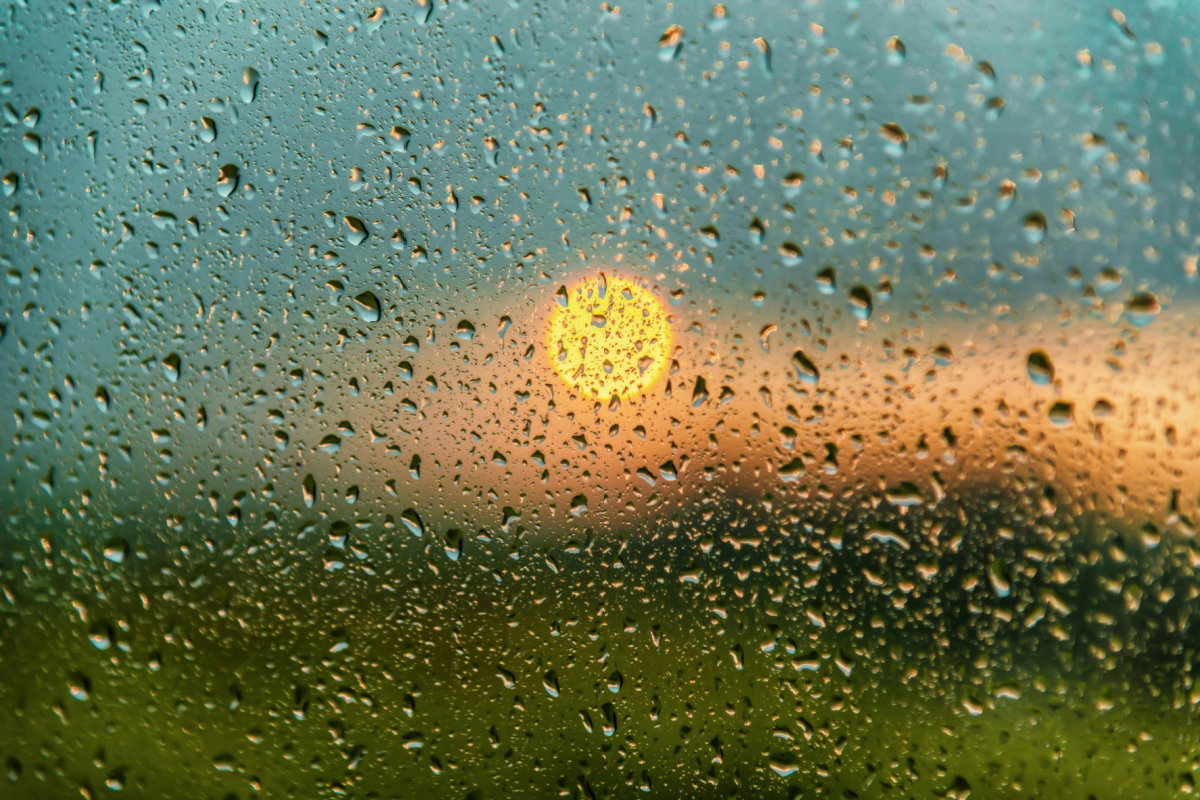
After a dry 2025 that brought the UK’s warmest summer on record, winter 2026 delivered the opposite in parts of Devon and Cornwall: rain for 50 days in a row, one of the rainiest seasons on record, and only 80% of average sunshine. Scientists increasingly describe this kind of sharp swing between extremes as climate whiplash.
Climate whiplash refers to rapid shifts from one persistent weather extreme to another, most commonly from prolonged drought to prolonged wet weather, or the reverse. Research suggests these swings have become more common globally in recent decades. Shorter-term swings over a few months have become roughly a third to two-thirds more frequent, while year-to-year flipflops have increased by up to a third.
Why the Jet Stream Matters for UK Whiplash
In the UK and across Europe, the jet stream often plays a central role in how weather patterns set up and how long they last. This winter, it sat across the south of the UK and moved quickly, pushing wet and windy Atlantic weather toward Britain.
Weather frequently arrives in “systems,” large rotating masses of air that can jostle and replace one another. This winter, however, a large block of settled weather lingered across Europe. That block acted like a barrier, slowing down the weather systems being carried by the jet stream and helping sustain lengthy periods of wet conditions in the UK.
Will the UK Flip Back Into Drought This Summer?
Seasonal forecasting has improved, but it still cannot say whether it will rain on a specific day in July. What it can do is estimate the likelihood of broader trends, such as a higher chance of hotter or drier-than-average conditions over a season.
Scientists now say that under certain conditions, by May they can anticipate an increased risk of heat extremes in Europe that summer. Other research suggests combined heat and drought extremes can sometimes be forecast one to two months ahead.
Early indications for summer 2026 suggest the UK may see slightly drier-than-average conditions in early summer, alongside an elevated risk of extreme heat. That does not make a hot, dry summer inevitable, but it would fit the broader pattern of climate whiplash.
Why Policy Built on Averages Is Falling Behind
A core problem is that many systems are designed around “average” conditions, while the weather is behaving less like an average year. If the UK is entering an era of sharper swings between flood and drought, adaptation planning will need to accelerate.
Housing and insurance are a clear example. Flood Re, the government-backed reinsurance scheme designed to keep flood cover affordable, generally applies only to homes built before January 2009. Since then, more than 100,000 new homes have been built in high-risk flood areas, leaving many exposed to higher premiums just as extreme rainfall risks rise.
The vulnerability is not only about flooding. Estimates suggest roughly 80% of UK homes overheat in summer. That means many properties may face a double bind: too wet in winter, then too hot in summer, sometimes within the same year.
Food and Transport Systems Are Feeling the Strain
Climate whiplash also threatens food security. Fields can be waterlogged during planting, then turn dry and dusty as crops approach harvest, reducing yields. Transport networks face similar volatility. Some rail lines were submerged during winter floods, only months after summer drought conditions contributed to problems such as track buckling in nearby areas as underlying soils dried out.
These are not isolated inconveniences. They are signs of systems, including insurance, infrastructure, and supply chains, being tested by weather swinging between extremes harder and faster than in the past.
A 2026 Test for UK Climate Adaptation Plans
The UK’s framework for preparing for climate risk is set by the 2008 Climate Change Act, which requires regular assessments of how climate change will affect the country. Every five years, the UK’s independent Climate Change Committee produces a risk assessment, and the government must respond.
The next assessment is due later in 2026, after a year marked by major extremes. If the UK is indeed entering a whiplash era, the key question is whether adaptation plans will move fast enough to match the new reality.