


Partnership with Crusoe Energy emerges
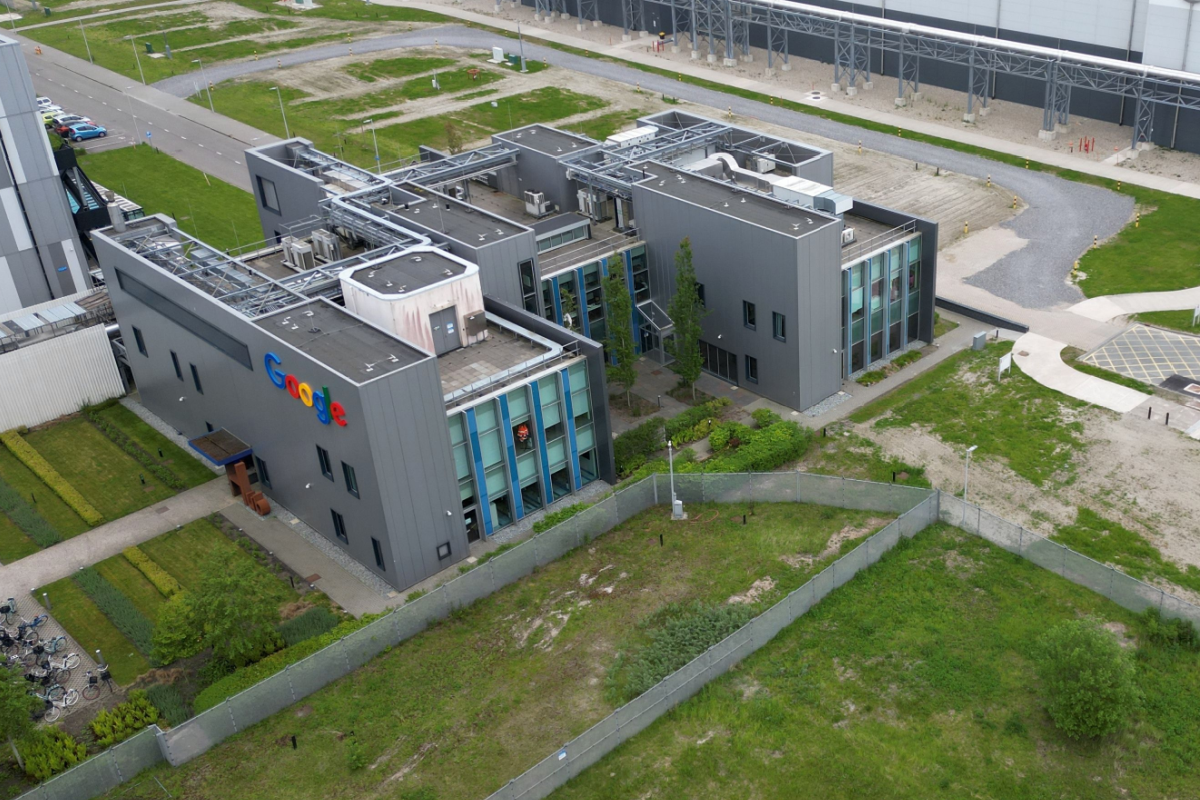
Google is reportedly exploring a partnership with a natural gas power plant in Texas to supply energy for one of its expanding data center campuses, marking a notable shift in the tech giant’s energy strategy. The proposed facility, located in Armstrong County in the Texas Panhandle, would power the “Goodnight” data center campus developed in collaboration with Crusoe Energy.
Research organization Cleanview uncovered details of the project, which Google later confirmed. Crusoe filed a permit application in January to construct a 933-megawatt gas-fired power plant capable of operating off the grid. Satellite imagery analyzed by Cleanview suggests construction is already underway.
High emissions raise environmental concerns
According to Crusoe’s permit filings, the proposed facility could emit up to 4.5 million tons of carbon dioxide annually—roughly equivalent to the yearly emissions of a major U.S. city such as San Francisco. The scale of the project has sparked concerns among climate advocates and researchers who view it as a departure from Google’s longstanding clean energy leadership.
Michael Thomas, founder of Cleanview, described the project as one of the first direct investments in fossil fuel infrastructure linked to Google’s operations. He noted that the initiative suggests a strategic pivot as the company seeks reliable power sources for its rapidly growing data center footprint.
Google maintains commitment to carbon-free energy
Google has not denied its involvement but clarified that no final contract has been signed for the Texas facility. Company spokesperson Chrissy Moy emphasized that negotiations remain ongoing and pointed to Google’s continued investments in renewable energy, including a regional wind farm partnership with Serena Energy.
The Texas project represents the third known natural gas initiative tied to Google in recent months. The company previously agreed to purchase electricity from a gas plant in Illinois and is reportedly evaluating another major gas-powered project in Nebraska.
AI expansion drives energy demands
Google has historically positioned itself as a leader in corporate sustainability, pledging in 2020 to operate entirely on carbon-free energy by 2030. However, the rapid expansion of artificial intelligence infrastructure has dramatically increased energy consumption. In its 2024 sustainability report, Google disclosed a 48% rise in greenhouse gas emissions since 2019, largely due to data center growth.
By 2025, the company reframed its climate ambitions as “climate moonshots,” acknowledging the complexity of achieving net-zero emissions amid surging demand for computing power. Industry peers including Amazon, Microsoft and Meta are also turning to natural gas to support their AI-driven data center expansions.
Balancing sustainability and energy security
The shift toward natural gas highlights the growing tension between sustainability commitments and the energy demands of next-generation technologies. Analysts note that while renewable energy remains central to long-term strategies, reliable and scalable power sources are essential for supporting AI workloads and digital infrastructure.
As Google continues to invest in both clean and conventional energy projects, the Texas facility underscores the evolving realities facing technology companies navigating climate goals and operational growth.