


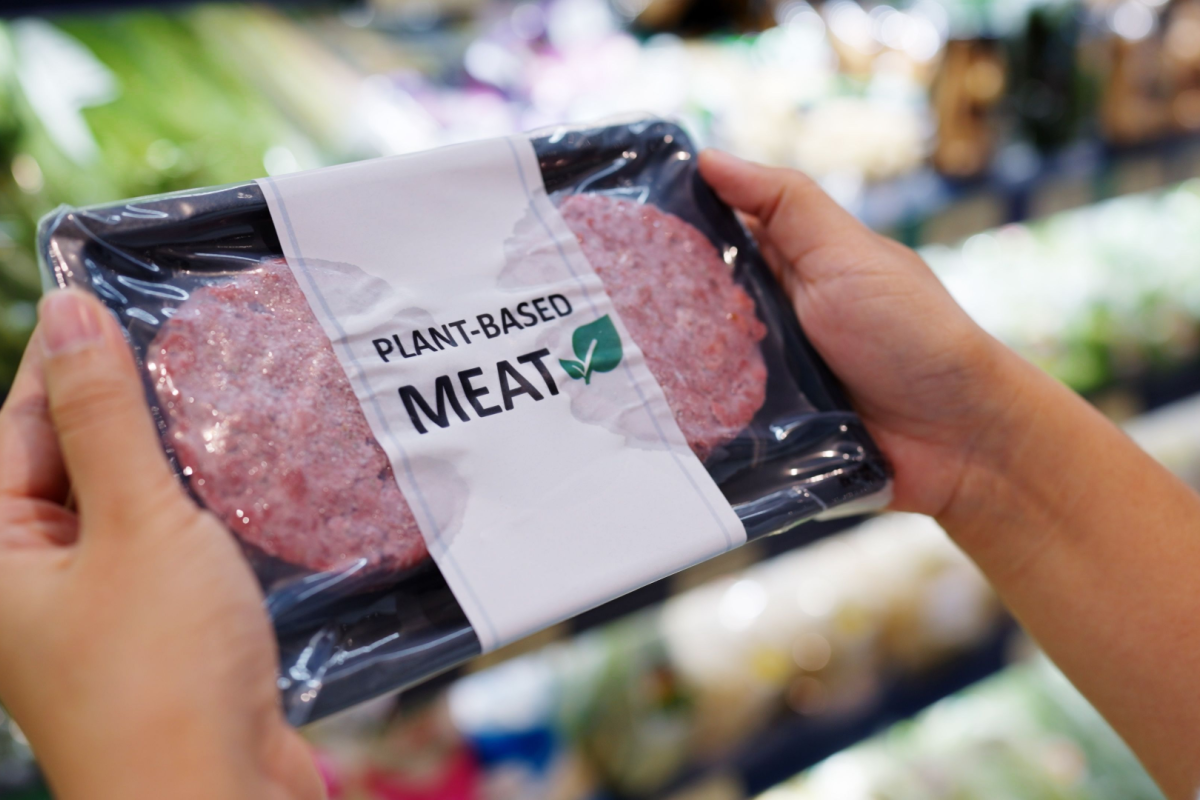
The meaty labels ban moved forward as EU institutions backed new rules on food-chain fairness and labelling. The decision landed on 5 March, the same day the EU Council supported a tougher climate milestone. Critics say the timing exposes a policy gap between climate ambition and food-system reform.
What The Provisional Agreement Changes
On 5 March, the European Council and European Parliament reached a provisional agreement to update the common market organisation for agricultural products. The deal aims to give farmers a stronger position in the supply chain. It makes written contracts between farmers and buyers a general requirement, and it tightens rules on certain product names.
French MEP Céline Imart, who pushed the labelling approach, called the agreement an “undeniable success for our farmers”. She said the deal protects terms such as “steak” and “liver” for animal products, and she signalled a longer list could follow in later talks. Supporters frame the move as protection of agricultural heritage and market clarity.
The agreement still needs formal adoption and a final vote in a European Parliament plenary session. A three-year transition period would allow firms to sell existing stock and adjust packaging and marketing.
Which Names Are Affected And Which Survive
The EU plans to restrict plant-based products from using a long list of meat terms. The list includes broad categories such as beef, pork, poultry and lamb, and also many cuts and descriptors. The restricted set also includes terms such as tenderloin, sirloin, flank, steak, ribs, brisket, ribeye, T-bone and bacon.
Earlier proposals targeted common retail terms such as “burger” and “sausage”. Those proposals did not survive. Shoppers should still see labels such as “veggie burgers” and “vegan sausages” in supermarkets, under the current compromise.
The same restriction would extend to cultivated meat, even though the products are not yet widely sold. That scope drew added criticism, since it could shape a market before it reaches consumers.
Consumer Confusion Claim Faces Pushback
Supporters of tighter rules argue that meat-like names can mislead shoppers. They say everyday terms imply animal content or nutritional equivalence. Opponents counter that language often helps shoppers understand intended use, like cooking method and texture. They say that clarity matters more than strict category policing.
The Good Food Institute said arbitrary changes to established labelling practices clash with everyday language. It also warned about costs for companies, including redesign, compliance reviews and rebranding. It added that extra friction could deter international firms from entering the EU market.
Some surveys cited by advocates suggest many Europeans understand that plant-based labels signal a substitute format, not animal content. Critics argue that packaging, ingredient lists and allergen statements already provide direct disclosure. They say policy should focus on misleading imagery or claims, not common food words.
Climate Target Raises Food Policy Questions
On the same day, the EU Council also gave a final green light to amend European climate law with a binding intermediate target. The bloc now aims for a 90% reduction in net greenhouse gas emissions versus 1990 levels. Critics argue food policy should align more directly with that trajectory.
Jasmijn de Boo, global CEO of ProVeg, said the climate transition should make sustainable food choices easier, not harder. She noted that plant-based foods typically carry lower footprints, including lower emissions and land use. She warned that restricting familiar terms could add business costs and consumer hesitation without clear climate gains.
Animal-sourced foods account for an estimated 81% to 86% of greenhouse gas emissions from EU food production, while supplying about 32% of calories and 64% of protein. One cited comparison said 100g of beef can equate to about 15.5kg CO2e, comparable to 78.7km of driving.
Silvia Mantilla of the World Federation for Animals said policy should encourage plant-rich diets, not create barriers. She referenced an estimate that animal agriculture contributes about 14.5% of total human-caused emissions globally.
Another pressure point is subsidy allocation. A Foodrise report said animal-sourced food received about 77% or €39bn of €51bn in CAP subsidies in 2020. The analysis said beef and lamb received about 580 times more support than lentils and beans. It said dairy received about 554 times more than nuts and seeds.
A European Commission spokesperson said CAP support no longer links payments to what and how much farmers produce, after reforms since 2003. Critics say spending patterns still steer outcomes through land ownership and production structures. The political dispute now sits between heritage protection, market rules, and the EU’s climate direction.