


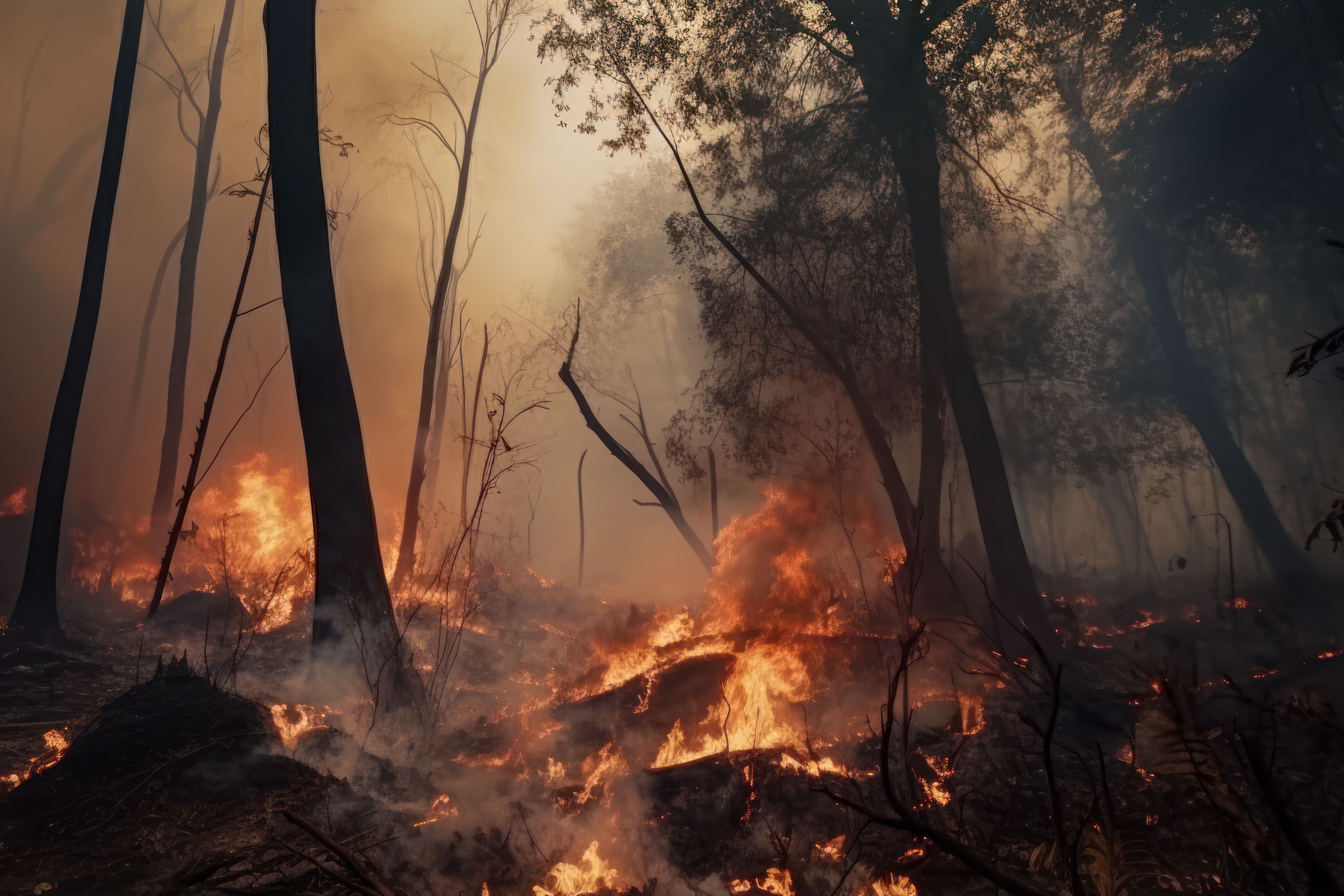
The WHO urgently warned about the health risks of black rain in Iran due to oil facility strikes causing fires and pollution. Reports of oil-laden rainfall this week prompted the WHO to support official advice to stay indoors.
WHO spokesperson Christian Lindmeier warned that the “black rain” and acidic rainfall pose a risk to the population, especially through respiratory exposure. The risk arises from damage to oil storage facilities and refineries, which release pollutants into the air during fires.
The warning followed strikes that hit Iran’s domestic energy infrastructure near Tehran, where black smoke spread across the capital. One refinery strike created massive plumes that darkened the sky and raised fears about immediate health effects for nearby residents.
Public health concerns have centered on both rainfall itself and the toxic air surrounding it. Experts cited by Reuters said the fires likely released hydrocarbons, sulfur oxides, and nitrogen compounds, all of which can worsen air quality and irritate the lungs.
Why Health Officials Are Concerned About Exposure
Health officials warn that polluted rain does not act in isolation. It usually reflects a larger cloud of airborne contamination that people may inhale before, during, and after rainfall. In this case, the main danger appears to come from the mixture of smoke, soot, oil particles, and acidic compounds suspended in the air.
Reuters reported that the WHO sees respiratory harm as the most immediate threat. Short-term exposure can cause coughing, throat irritation, shortness of breath, headaches, and burning in the eyes or skin. Prolonged exposure to certain pollutants may increase the risk of severe health effects, such as chronic respiratory disease and certain cancers.
These risks are not evenly distributed. Children, older adults, pregnant people, and those with chronic illnesses like asthma and heart disease are at higher risk during heavy air pollution events. Brief exposure to smoke and acidic particles can worsen existing cardiovascular and lung conditions. This concern is common during major pollution episodes and aligns with the WHO’s warning to minimize exposure.
Scientists quoted in outside coverage also warned that long-term air pollution may prove more harmful than the visible rain itself. That is because toxic residues can remain in the air, settle on surfaces, and potentially contaminate food, soil, and water if exposure continues.
Why the Weather Turned Pollution Into “Black Rain”
The term “black rain” refers to rainfall mixed with heavy pollution, soot, or oily residue. Experts said weather conditions over Iran are likely to combine with emissions from the burning oil sites, allowing contaminated particles to fall with rain over populated areas.
Combustion releases dense carbon-rich particles and chemical gases into the atmosphere, which a weather system pulls into precipitation. This results in dark rain or black residue on buildings, vehicles, and skin. Scientists say this pattern matches residents of Tehran’s description.
The environmental concern also extends beyond the sky. Experts warned that fallout from the fires could settle on crops, open water, and exposed household items. That raises questions about secondary exposure after the rain stops, especially in areas close to the damaged facilities.
What Residents Are Being Told to Do
Iranian authorities advised residents to remain indoors, and the WHO said that guidance is appropriate given the situation. That advice reflects a basic public health principle: reduce contact with polluted air and contaminated rainfall whenever possible.
Dry weather is expected in the coming days, potentially improving conditions if fires subside and no new strikes occur. However, WHO and environmental experts warned that risks could rise again if attacks continue and more oil infrastructure burns.
The health risks of black rain in Iran are part of a broader public health emergency due to conflict, damaged infrastructure, and air pollution. WHO advises limiting exposure, following local advisories, and treating the toxic rain and smoke as a serious health threat.