


Spring Arrivals Are Showing Up Ahead of Schedule
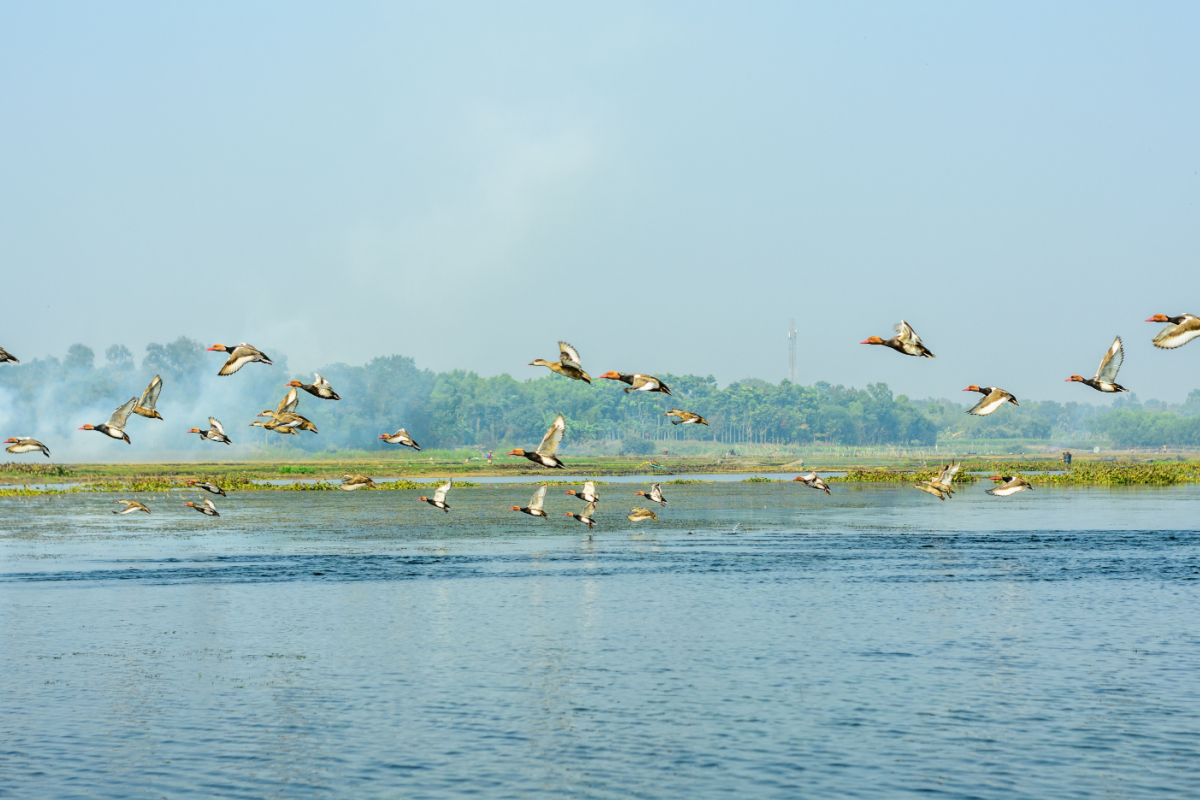
Minnesotans have started hearing familiar spring sounds earlier than usual, including the calls of red-winged blackbirds and sandhill cranes. The earlier timing is not just a quirky seasonal moment. It reflects a broader pattern in which climate change is nudging some birds to migrate earlier, altering the rhythms that have long defined spring across the Upper Midwest.
Birder and author Sharon Stiteler, widely known as “Birdchick,” said some birds are essentially placing a calculated bet by returning early. For certain species, the upside is clear: arriving first can mean better territory, stronger signals to mates, and potentially higher reproductive success if the weather cooperates.
Why Some Species Take the Risk
Stiteler explained that early-arriving males, especially red-winged blackbirds, are motivated by competition. Getting back early allows them to claim prime habitat and advertise strength through song and presence.
In that sense, a late snow or brief cold snap is not always a deal breaker. Stiteler noted that sandhill cranes and some waterfowl can tolerate a return that includes snow. The bigger danger does not come from a chilly day. It comes from the timing of nesting.
The riskiest phase is egg-laying. A severe spring storm, such as a late-season blizzard, could wipe out eggs laid too early. But if harsh conditions stay away, earlier arrival can offer a major advantage: the possibility of producing an additional clutch during the season.
The Bigger Concern: Insects and Timing Mismatches
The sharpest worry is not for the tougher early migrants, but for birds that rely heavily on insects. Stiteler pointed to insect-eating species such as warblers and tanagers, which typically begin returning to Minnesota in early May.
If warmer temperatures cause insects to emerge and peak earlier, the food supply may be less abundant by the time these birds arrive. That mismatch can put stress on birds that need large amounts of protein to recover from migration and to support nesting.
This timing problem highlights why habitat choices matter. Stiteler emphasized the value of planting native plant species, which support more diverse insect populations and can extend food availability through the season. More native plants can mean more insect life, and that can help buffer birds against shifting spring timing.
What People Can Do Right Now
Stiteler said people can also help in practical ways as conditions swing between winter and spring. Putting out seed can provide support, but feeder hygiene matters, especially when melting and rain increase moisture.
She warned that wet seed can clump and develop mold, which can lead to illness in birds. If conditions are damp, homeowners can check feeders and remove any seed that looks stuck together, then clean the feeder before refilling it.
As migration patterns shift, these small steps can reduce risks for birds already navigating a more unpredictable spring. The earlier songs and sightings may feel like a welcome sign of seasonal change, but they also point to a new reality: nature’s calendar is moving, and wildlife is adapting in real time.