

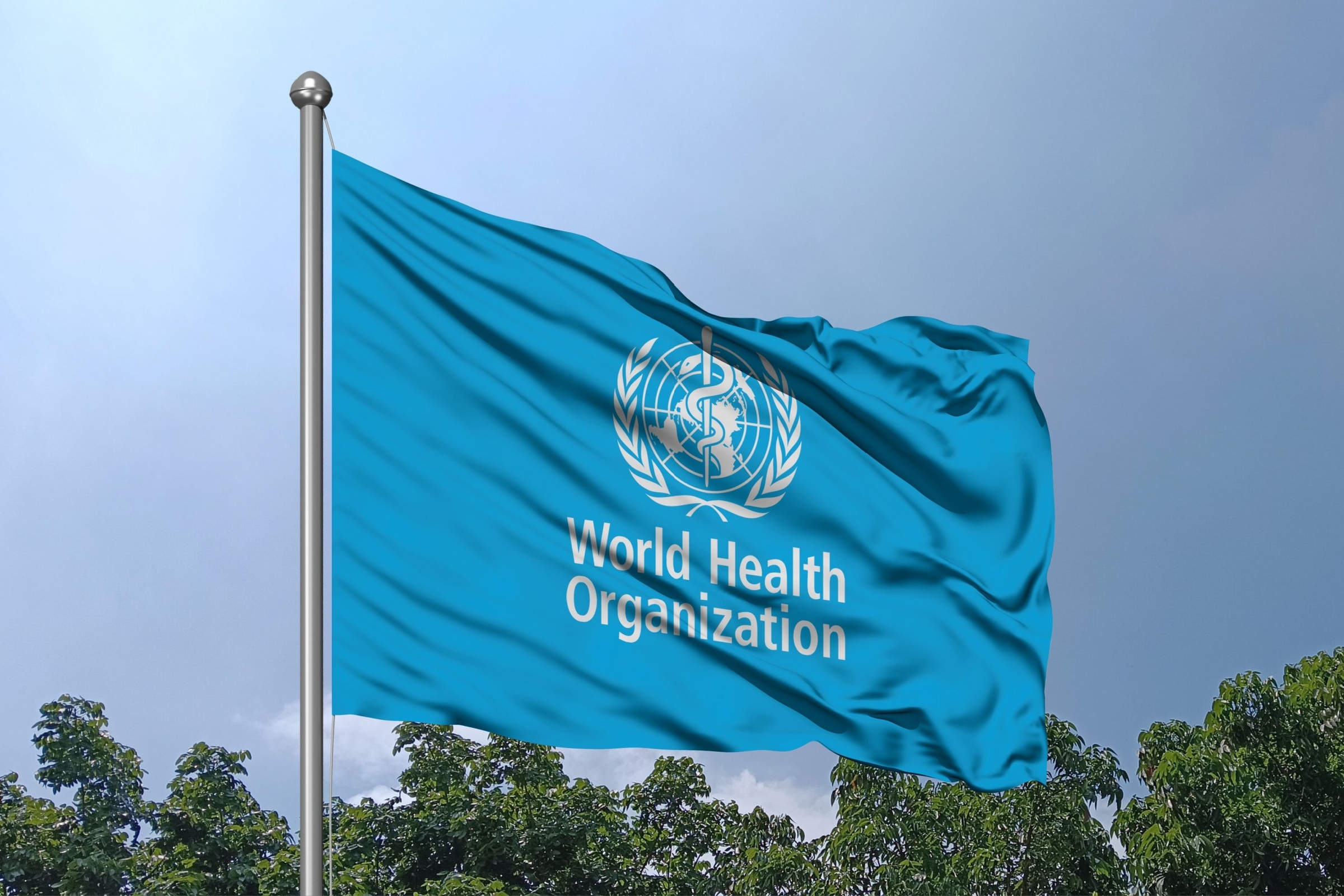
The Argentina WHO withdrawal became official on March 17, 2026, when President Javier Milei’s government finalized its exit from the World Health Organization. The move follows the earlier U.S. withdrawal and turns a political announcement made in February 2025 into a completed break with the UN health agency.
Argentina’s government has said it has “deep differences” with the WHO, especially over the agency’s handling of the COVID-19 pandemic. Officials have argued that the organization failed during the crisis and gave excessive weight to political influence rather than independent scientific judgment.
The step aligns with Milei’s broader stance on international institutions and sovereignty-focused policy, as well as with Donald Trump’s. It also extends a line of criticism that Argentina’s government and U.S. health officials made jointly in May 2025, when they attacked the WHO’s structure and leadership.
For the health sector, the move matters because WHO membership is not only symbolic. The organization coordinates disease surveillance, outbreak alerts, technical guidance, and emergency response across borders. Leaving it can therefore affect how quickly a country exchanges information and participates in shared health planning. This last point is an inference from WHO’s core role in global health coordination.
Milei’s Case Against the Global Health Body
Milei and his allies have framed the WHO as a failed institution shaped by the excesses of pandemic-era restrictions. Reuters reported that when Argentina first announced the move, officials specifically criticized the WHO’s COVID response and pointed to Argentina’s long lockdown under the previous government as part of their complaint.
That argument is political as much as medical. By tying the withdrawal to lockdown grievances, Milei’s government has connected global health governance to domestic anger over state control, economic damage, and the legacy of pandemic rules. The administration has presented the break as a defense of national sovereignty rather than a retreat from health policy. This interpretation follows directly from the government’s public framing.
The timing also matters. Argentina did not simply announce dissatisfaction and remain inside the institution while pushing for reform. Instead, it followed the United States out of the WHO orbit, reinforcing the impression of a coordinated ideological shift among governments that view the agency as compromised.
That does not mean Argentina will stop addressing health issues through every multilateral channel. But formal withdrawal narrows one major route for technical cooperation and weakens the country’s direct role in shaping WHO-backed priorities, standards, and responses. That is a reasoned inference from the fact of withdrawal itself.
Why the Health Impact Could Matter
The immediate practical effects may not all appear at once. WHO often works through long-running systems, such as disease monitoring, immunization guidance, maternal and child health programs, and emergency alerts. A break from that structure can reduce access to shared expertise and make coordination more difficult during future crises. This is an inference based on the WHO’s established functions in member states.
For Argentina, the most important question is whether the government can replace that support with strong domestic systems and alternative partnerships. Supporters of the move argue that countries do not need WHO membership to run public health policy. Critics counter that global outbreaks, vaccine supply issues, and cross-border disease threats are harder to manage without a seat inside the main international health body. Reuters’ earlier reporting shows Argentina and U.S. officials had already discussed building a different model of international health cooperation.
There is also a regional dimension. Latin American health systems remain deeply interconnected through migration, trade, and shared infectious disease risks. In that context, global coordination still carries practical value even for governments that distrust international institutions. This is a public health inference grounded in the cross-border nature of disease control.
A Political Signal With Public Health Consequences
The Argentina WHO withdrawal is therefore more than a diplomatic gesture. It signals that Milei is willing to turn a critique of pandemic governance into a lasting institutional rupture. That message will resonate far beyond Buenos Aires because it adds momentum to a broader push by populist and nationalist leaders against international health bodies.
For public health professionals, the concern is less about symbolism than capacity. During outbreaks and emergencies, countries rely on trust, shared data, and common guidance. When governments leave the institutions built to manage those systems, the costs may only become clear during the next crisis. That final point is an inference, but it follows directly from the WHO’s role in coordinating global health threats.
Argentina’s government has cast the move as an act of independence. Its critics see a weakening of health cooperation at a time when international systems are already under strain. The real test will come not in the politics of withdrawal, but in how Argentina handles the next major health challenge without the WHO inside its formal policy framework.