


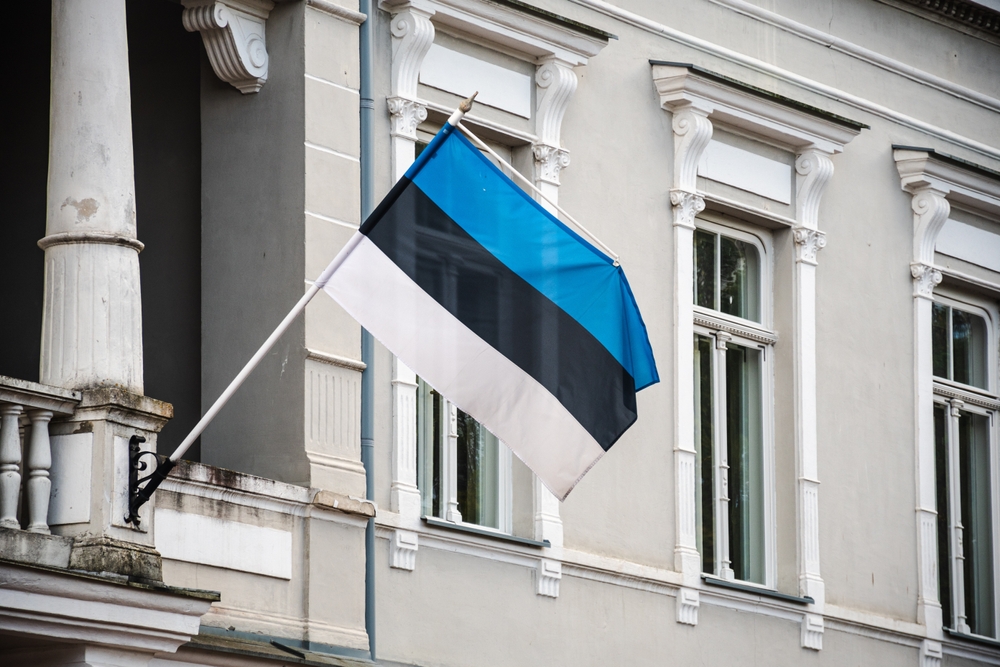
Tallinn breaks with allies rejecting a military role
Estonia has emerged as one of the few US allies willing to openly discuss a possible role in efforts tied to the Iran conflict, even as larger NATO partners continue to reject military involvement. Defense Minister Hanno Pevkur said Tallinn had received no formal American request, but made clear that Estonia was prepared to engage in talks after President Donald Trump urged allies to help address the crisis around the Strait of Hormuz. That position sets Estonia apart from a broader alliance mood marked by caution, legal reservations and frustration over Washington’s unilateral approach. :contentReference[oaicite:0]{index=0}
Pevkur’s comments came after meetings with US officials including deputy national security adviser Andy Baker and defense leaders. His message was that Estonia was ready to talk, even if the scope of any actual contribution remains limited. By framing the issue as one of openness rather than commitment, Tallinn is trying to preserve alliance solidarity without immediately binding itself to a military mission whose shape is still unclear. :contentReference[oaicite:1]{index=1}
The significance of Estonia’s stance lies less in the scale of what it could offer and more in the signal it sends. At a time when Washington is publicly complaining that allies are reluctant to step forward, even a small NATO member willing to discuss assistance provides political cover for the White House argument that support should not fall on the United States alone. :contentReference[oaicite:2]{index=2}
Demining expertise offers a narrow but symbolic option
Estonia’s most plausible contribution would be technical rather than combat-driven. Pevkur pointed to demining as an area where his country has expertise, a reference that matters because of reports that Iran has laid mines in or near the Strait of Hormuz. If shipping lanes remain threatened by underwater explosives, mine clearance could become one of the few roles some allies might consider politically defensible, particularly if framed as maritime safety rather than direct participation in the war itself. :contentReference[oaicite:3]{index=3}
Even here, however, Pevkur drew an important line. He noted that demining would require a ceasefire, implying that Estonia does not see itself entering an active combat zone to support current hostilities. That distinction reflects the delicate balance many European governments are trying to strike. They want to avoid appearing indifferent to a crisis affecting global energy security, but they also do not want to be drawn into a war they neither planned nor endorsed. :contentReference[oaicite:4]{index=4}
In practical terms, Estonia’s willingness therefore appears conditional and limited. It is not an offer to join offensive operations. It is an indication that, under the right circumstances, Tallinn could support post-conflict or stabilizing measures connected to maritime security. That nuance is likely to matter both in alliance discussions and in domestic politics across Europe.
Most allies still resist joining Trump’s campaign
Estonia’s openness stands out because the wider response from US partners has been hesitant or openly negative. Germany, France, Spain, Canada and Australia have ruled out military assistance to secure the strait, while Japan has taken a more cautious line and said it is still examining whether any escort mission would fit within its legal framework. Britain has indicated it is working with allies on options to support commercial shipping, but not as part of a broad war coalition. :contentReference[oaicite:5]{index=5}
The reluctance is rooted in more than legal caution. Many allies were angered that the Trump administration did not consult NATO or the European Union in advance of the late-February strikes. That has made it harder for governments to justify joining a campaign they did not help shape and whose objectives remain unsettled. Trump’s public criticism of allies for doing nothing has only added to the strain, turning a security question into a visible test of alliance politics. :contentReference[oaicite:6]{index=6}
Against that backdrop, Pevkur avoided criticizing countries that have stayed back. Instead, he emphasized that preserving unity is essential, warning that disunity would serve Russia’s long-term interests. That language is consistent with Estonia’s traditional security posture, which puts alliance cohesion at the center of its national defense thinking even when allies disagree on specific operations. :contentReference[oaicite:7]{index=7}
Hormuz dispute is becoming part of a wider strategic bargain
The debate over support in the Gulf is also beginning to intersect with Europe’s larger security relationship with Washington. Finland’s President Alexander Stubb suggested this week that European military help in securing the waterway could potentially be linked to stronger US backing for a peace outcome in Ukraine acceptable to Europe. That idea points to a broader reality: for some European leaders, any assistance in the Gulf would need to produce strategic value elsewhere, particularly on the continent’s primary security concern, Russia’s war against Ukraine. :contentReference[oaicite:8]{index=8}
That makes Estonia’s position especially interesting. Tallinn remains one of the strongest supporters of Ukraine and one of the most security-focused members of NATO’s eastern flank. By showing willingness to discuss Hormuz while stressing unity and caution, Pevkur is effectively trying to keep Estonia aligned with Washington without abandoning the broader European concern that support in one theater should not come at the expense of security priorities in another. :contentReference[oaicite:9]{index=9}
For now, Estonia’s offer is mostly diplomatic and technical rather than operational. But in a moment when most allies are drawing lines against direct involvement, even that level of openness gives Tallinn an outsized role in the political debate over who, if anyone, is prepared to answer Trump’s call.