


A political brand built on unpredictability enters a war zone
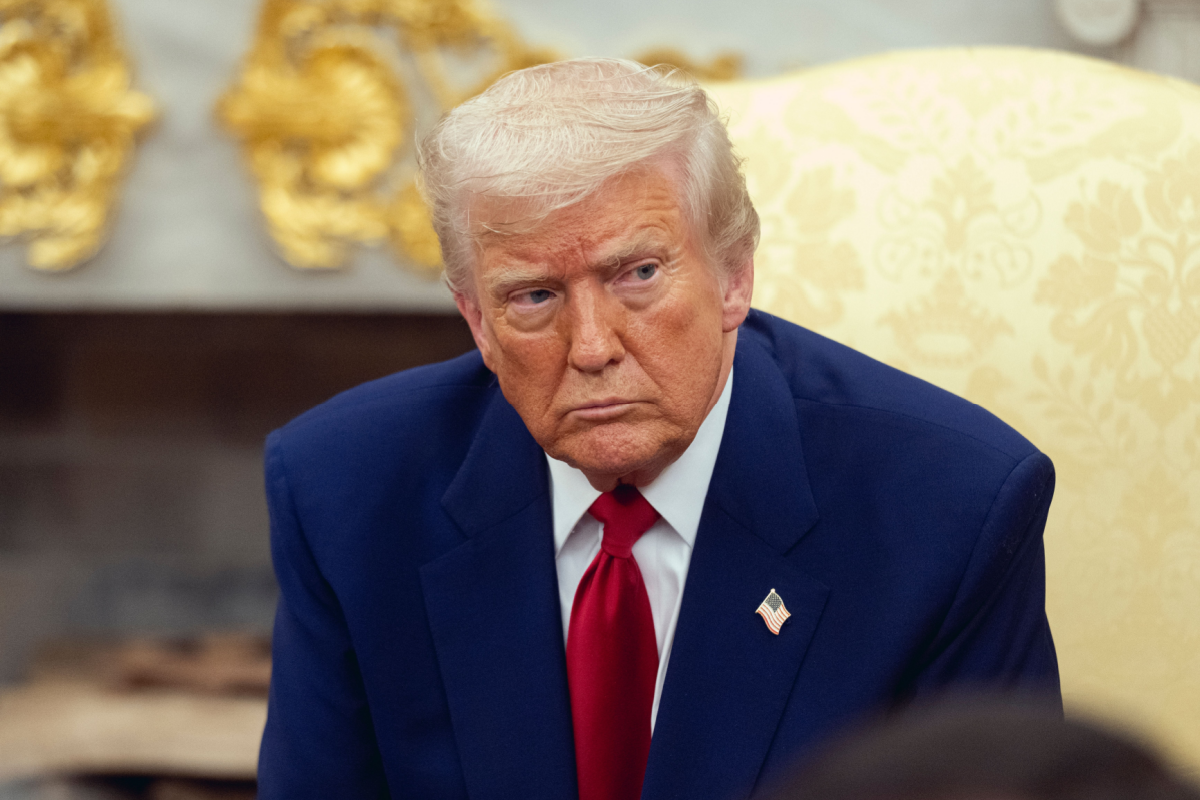
President Donald Trump is applying the same unpredictable approach that powered his business career and political rise to the far more demanding role of wartime leader. His supporters often admire his willingness to disrupt norms, preserve flexibility, and project confidence even when details are thin. That posture can create leverage in negotiations and momentum in domestic politics, but it also carries higher risks when decisions affect lives, alliances, and global markets.
Trump’s instinct for decisive action has already produced moments of dramatic impact, including a high-profile operation that removed Venezuelan leader Nicolás Maduro from power and brought him to the United States. Yet the Iran war is exposing the limits of governing by instinct alone, especially when the conflict involves multiple fronts, tight timelines, and unpredictable retaliation.
Three overlapping crises: military, economic, and political
The administration is confronting intersecting pressures that reinforce each other. On the battlefield, Tehran’s resistance raises the prospect of a drawn-out stalemate rather than a quick, decisive end. In markets, the effective closure of the Strait of Hormuz has pushed energy prices higher and deepened inflation anxiety, creating a direct cost-of-living challenge at home. Politically, Trump is also facing signs of internal strain, including a high-profile resignation from a MAGA-aligned national security official that sharpened criticism of the war’s rationale and endgame.
Trump’s public posture has at times suggested he was surprised by the intensity of Iran’s retaliation across the Gulf region and by the strategic consequences of disruption in Hormuz, a risk many analysts had flagged as plausible from the start.
Allies resist being pulled into a conflict they did not shape
Another vulnerability has emerged in coalition management. Trump’s attempt to pressure allies into sending warships to help reopen the strait ran into resistance, with partners reluctant to join a campaign they say they were not consulted about. That dynamic matters because maritime security operations require coordination, sustained logistics, and shared political ownership. Without it, the burden shifts back toward the US, and the room for diplomatic maneuver narrows.
A resignation signals stress inside Trump’s own coalition
The resignation of Joe Kent, a MAGA-oriented former counterterrorism leader, created a jolt inside Washington and conservative media circles. In his letter, Kent argued the United States was misled about the likelihood of a swift outcome and questioned whether Iran posed an imminent threat to US national security. The backlash from Republican lawmakers was immediate, with some framing the letter as crossing unacceptable lines and warning about the political toxicity of such arguments inside the party.
Regardless of the specifics, the episode underscores a political reality for Trump: if the war becomes unpopular or prolonged, dissent may not only come from Democrats but from the right flank of his own coalition. That risk is magnified by the fact that past US conflicts have often eroded once public patience collapsed and internal divisions widened.
The strategic question: what is the endgame, and what comes after
Critics argue that inconsistent messaging about objectives creates strategic drift. A war can look “won” in tactical terms while still producing outcomes that weaken a presidency: sustained disruption in Hormuz, prolonged economic pain, harsher repression inside Iran, or lingering nuclear risk if highly enriched material and expertise remain intact.
Resolving those dilemmas could require riskier operations than air and missile strikes alone, potentially including ground activity with major political, military, and humanitarian implications. That is where the need for clear goals, disciplined planning, and credible “day after” preparation becomes central. Without it, even significant battlefield gains can translate into unstable long-term results.