


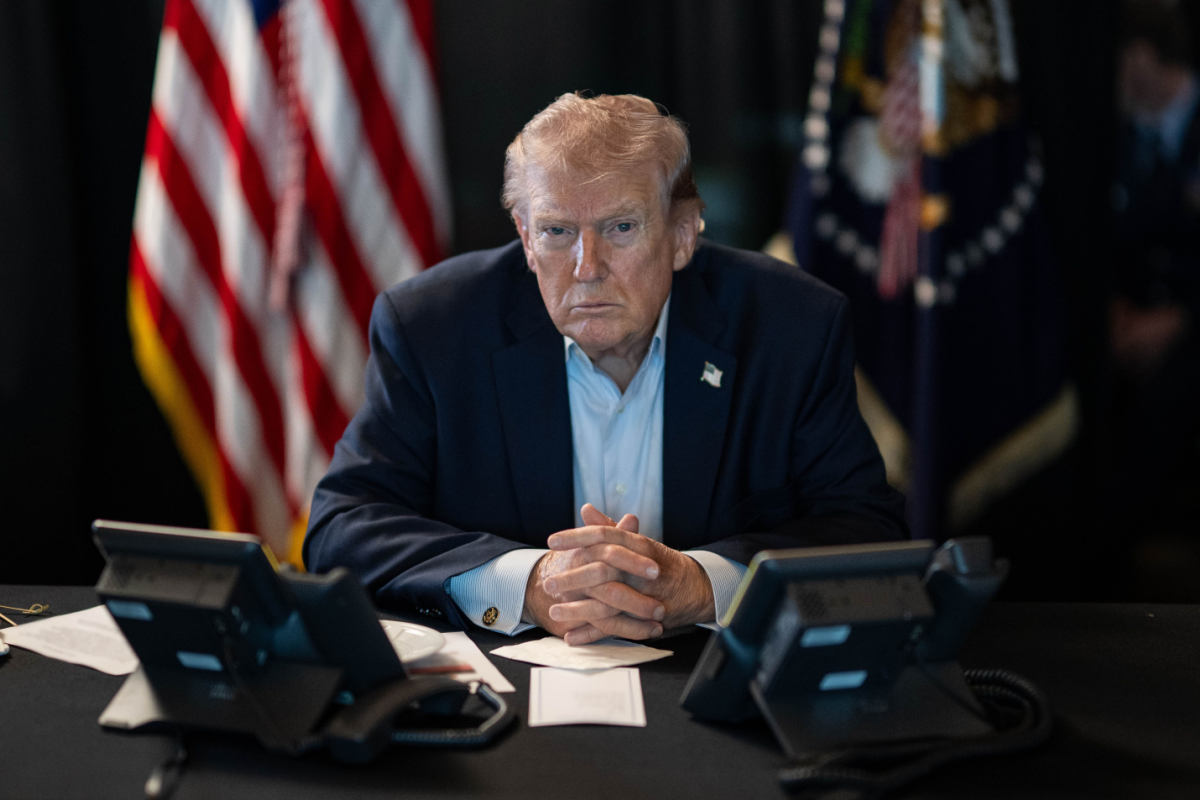
More pressure at home as the Iran war continues
Even as President Donald Trump urges international support for the war in Iran, domestic dynamics are increasingly shaping what he can sustain abroad. While Trump still drives US foreign policy and Congress failed to pass a war powers measure aimed at limiting his authority, public opinion, institutional checks, and intra-party divides are creating friction as the 2026 midterms draw closer.
Polling shifts signal higher political risk
Recent surveys show a rising share of Americans favor a less active US role globally. That does not automatically translate into public engagement on every foreign policy question, but it raises the political cost of controversial initiatives, especially if the conflict expands or the economic impacts intensify. Support for the war has not consolidated above a clear majority in recent polling, and the US has already suffered military casualties since the conflict began.
Courts and Congress are narrowing the toolkit
Trump’s foreign policy has leaned heavily on economic pressure, especially tariffs. A recent Supreme Court decision limiting the use of reciprocal tariffs under a key emergency law signals that the executive branch does not have unlimited flexibility to sustain sweeping measures indefinitely. The administration can still pursue other tariff paths, but the ruling reinforces that legal boundaries exist.
Congress has also increased scrutiny. Even though the Iran War Powers Resolution failed largely along party lines, lawmakers have demanded more briefings and greater transparency about the conflict. That oversight, combined with political messaging ahead of the midterms, increases the likelihood that foreign policy will be judged through a domestic cost-of-living lens.
Cracks inside the coalition complicate messaging
Within the Republican coalition, some lawmakers and influential conservative voices have questioned elements of Trump’s approach, particularly as it relates to expanding military commitments abroad. For a movement that campaigned on limiting overseas entanglements, a widening conflict risks creating tension between an assertive wartime posture and an “America First” promise of restraint.
At the same time, domestic political distractions and internal disagreements can reduce strategic bandwidth, complicate diplomatic signaling, and heighten uncertainty for allies and adversaries trying to interpret US intentions.
A narrower window could encourage faster moves abroad
As political constraints build, Trump may feel incentivized to act quickly overseas to project strength and secure policy wins before the midterm environment hardens further. That can produce a paradox: strong executive impulse paired with tighter guardrails, creating more volatility in decision-making and less predictability in outcomes.
For partners in Southeast Asia and elsewhere, the key takeaway is not that the president lacks authority, but that domestic restraint is becoming a larger factor in how long Washington can sustain ambitious strategies. The result may be more sudden shifts, sharper bargaining tactics, and greater uncertainty about US follow-through.