


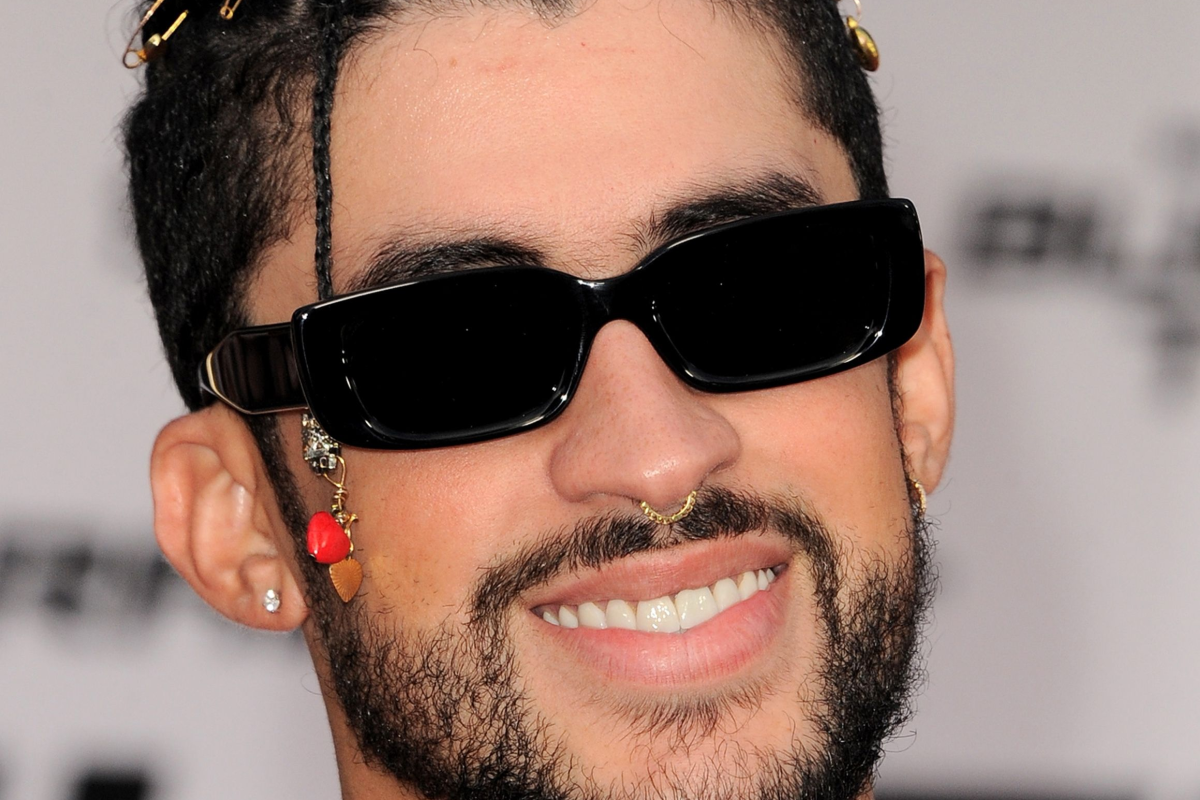
A spectacle that doubled as a story about vulnerability
When Bad Bunny climbed onto broken power lines during his Super Bowl halftime show, most viewers saw a dramatic set piece. Climate communicators saw something else: a way to make climate impacts feel real without turning the moment into a lecture.
Josh Garrett, CEO of Redwood Climate Communications, pointed to the symbolism of Puerto Rico’s fragile electricity system, repeatedly battered by hurricanes and prolonged outages. His argument is simple: the most effective messages do not start with charts or terminology. They start with lived experience that viewers can instantly understand, even if “climate change” is never said out loud.
Why climate talk is fading even as concern stays high
The past year has been rough terrain for climate communicators. Federal policy rollbacks and sharper partisan cues have made public messaging harder, while media attention has cooled. That creates a mismatch: many people say they are worried about warming, yet they hear less about it and feel less momentum behind solutions.
Garrett argues that decades of disinformation have also left a residue, especially the idea that climate change is real but not urgent. In that environment, persuading people is not only about explaining science. It is about rebuilding a sense that action is normal, supported, and widely shared.
Make it social, not abstract
Researchers who study climate communication emphasize that social norms matter. If people believe others around them care and are acting, they are more likely to engage themselves. Julia Fine of George Mason University’s climate communication center described this as building awareness that concern is common, not niche.
In practice, that means shifting away from obscure metrics and toward stories people recognize in daily life. Garrett’s view is that clearer, repeated communication can help translate scientific urgency into public and political urgency.
Depolarize by starting with shared values
Climate views in the United States are sharply split along party lines, but behavioral scientists say polarization is not destiny. Sweta Chakraborty argues that people hold multiple identities, and communicators can reduce friction by widening the number of “entry points” into the conversation.
Garrett suggests starting with values that travel across political lines, like protecting children and community safety, then connecting those values to visible impacts people already notice. Recreation can be another bridge: shorter winters, less snow reliability, and stress on skiing and snowboarding economies all create tangible stakes for people who might not respond to climate language on its own.
Some experts add a tactical point: if audiences cannot agree on causes, do not lead there. Framing around extreme weather, local resilience, and practical risk can keep conversations productive instead of triggering identity-based pushback.
Trusted messengers beat perfect facts
Science-based information does not have to be delivered by scientists. In many communities, credibility depends on familiarity. Garrett and academic Janet Yang note that technical expertise does not always translate into clarity or connection.
That is where trusted messengers come in: religious leaders, meteorologists, health professionals, and even friends and family can make climate risks feel relevant and legitimate. Communicators also point to podcasts and creators as key channels, especially as more people treat them as a primary news source.
The bottom line from experts is blunt: silence is not a strategy. Progress may come in small increments, but repeated, relatable messages can add up, especially when they show people they are not alone in caring.