


Contingency plans under review
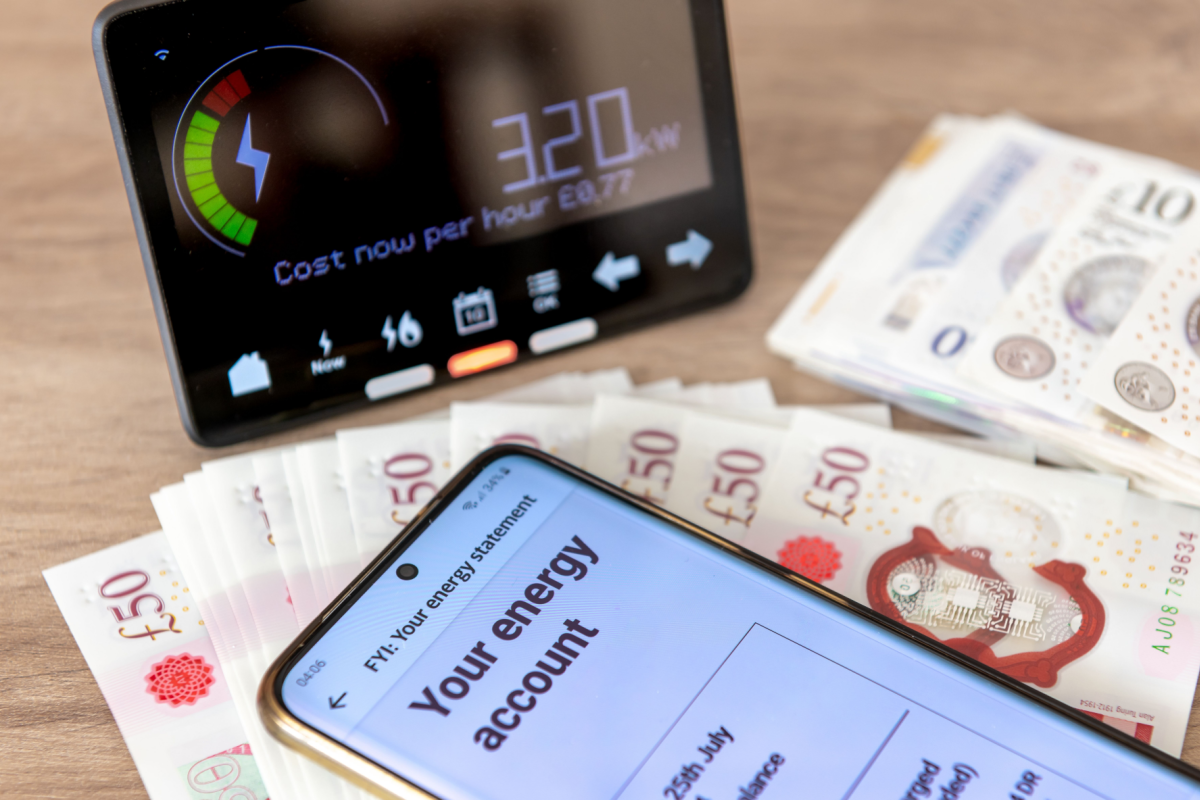
The government is preparing targeted assistance for households if energy bills surge as a result of the US-Israel war with Iran. Chancellor Rachel Reeves said officials are planning for “every eventuality,” while acknowledging that the full economic impact on the UK remains uncertain.
From April, energy bills for millions in England, Scotland and Wales are set to fall temporarily under Ofgem’s quarterly price cap. However, analysts expect a sharp increase in gas and electricity costs over the summer as wholesale prices climb.
Strait disruption drives price fears
The conflict has disrupted the Strait of Hormuz, through which around a fifth of global oil and liquefied natural gas supplies typically pass. With the waterway effectively blocked since fighting began, wholesale oil and gas prices have surged during the fourth week of the war.
Experts warn that sustained high wholesale costs are likely to filter through to household bills. Forecasts suggest energy bills could rise by more than £300 a year from July if current market conditions persist.
Support likely to be targeted
Reeves indicated that any support package would be constrained by the government’s borrowing rules and its aim to keep inflation and interest rates low. She stressed that help would focus on “those who need it most,” signaling that broad, universal measures are unlikely.
This marks a contrast with the Energy Price Guarantee introduced in 2022 following Russia’s invasion of Ukraine, which applied to all households. Treasury analysis showed that the top 10% of wealthiest households received the largest benefit under that scheme, averaging £1,350 due to higher gas usage.
The government is working with the Department for Work and Pensions to identify households most in need of support. Details on eligibility and delivery mechanisms have yet to be confirmed.
Political debate intensifies
Shadow Chancellor Sir Mel Stride criticized the government’s fiscal position, questioning whether sufficient capacity exists to fund targeted assistance. He argued that the economy is fragile and warned against additional strain on public finances.
In parallel, Reeves announced a new anti-profiteering framework for the Competition and Markets Authority. The CMA would have expanded powers to fine companies that breach competition or consumer laws, including cases of excessive pricing or misleading advertised prices.
Petrol prices and fuel duty in focus
Petrol prices have reached their highest level in 18 months since the conflict escalated, according to the RAC. Retailers have rejected accusations of price-gouging and criticized the government’s language as inflammatory.
The CMA is gathering evidence on fuel pricing practices, though conclusions are not expected soon. Meanwhile, fuel duty—cut by 5p and frozen since 2022—is scheduled to rise in September. The government has said the planned increase will remain under review as the Middle East conflict continues.
With wholesale markets volatile and geopolitical uncertainty ongoing, policymakers face a delicate balance between shielding vulnerable households and maintaining fiscal discipline.