


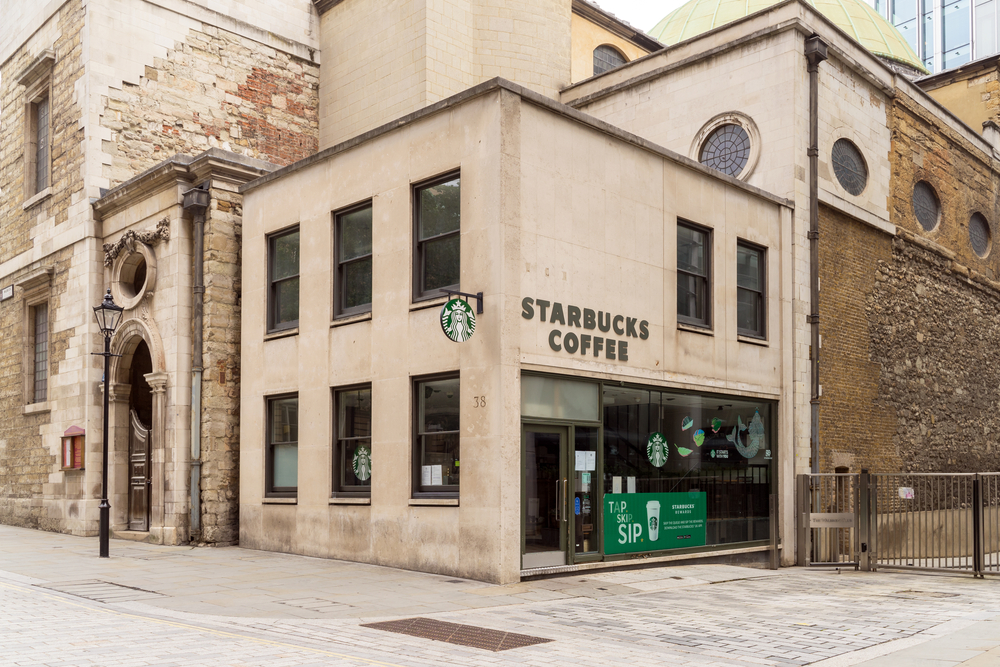
Starbucks is introducing a new set of pay changes for baristas and other hourly store employees, combining higher earning opportunities with more frequent paychecks as the company works to improve store performance and respond to a shifting labor environment. The measures include expanded tipping options, annual bonuses tied to store results, and a move to weekly pay, all of which are expected to be in place by July.
The decision matters because it comes at a moment when Starbucks is trying to strengthen both customer experience and employee engagement while union organizing efforts continue across parts of its U.S. store network. The company is effectively signaling that compensation, flexibility, and frontline incentives are becoming more central to how it manages its workforce and protects store level performance.
Although the changes do not amount to a wholesale overhaul of pay, they do show Starbucks trying to build a more attractive earnings structure for hourly workers without relying only on base wage increases. That approach may help the company reward performance more directly while also addressing some of the concerns that have fueled labor activism in recent years.
Tipping is becoming easier across more transactions
The most visible change for customers will be the expansion of tipping options. Starbucks said customers will now be able to leave gratuities through Mobile Order and Pay and also when using Scan and Pay at the register. That broadens tipping access across two common purchase methods and is designed to make adding a tip less dependent on the way an order is placed.
The company estimates the change could raise barista pay by 5% to 8%, which is a meaningful increase for hourly workers even without any formal change to base wages. In practical terms, the move shifts part of the compensation boost onto customer behavior, while making it easier for workers to benefit from the digital ordering habits that now shape a large share of Starbucks transactions.
That matters because mobile and app based purchasing have become a major part of the company’s operating model. If those orders become more tip friendly, Starbucks can improve earnings potential for employees in a way that better reflects how customers actually interact with the brand today.
Bonuses tie employee earnings to store performance
Starbucks also said baristas and shift supervisors will be eligible for annual bonuses of up to $1,200 if their stores meet or exceed certain sales, operational, and customer service targets. That introduces a stronger pay for performance element into store compensation and gives hourly workers a more direct financial stake in how well their location performs.
The bonus structure appears designed to support more than morale. It links employee rewards to the exact outcomes Starbucks is trying to improve across its business, including stronger sales execution, smoother operations, and better customer experience. In that sense, the company is using compensation not only as a labor policy tool, but also as an operating strategy.
For workers, the impact will depend on how achievable those targets prove to be. But even without the full details of the metrics, the message is clear: Starbucks wants store employees to see a direct connection between better performance and higher annual earnings.
Weekly pay adds flexibility for hourly workers
Another major change is the move to weekly pay for all in store employees. More frequent paychecks can make a real difference for hourly workers, especially in a period when many households are still managing elevated living costs and tighter short term cash flow.
Weekly pay can improve day to day financial flexibility by reducing the gap between work performed and income received. For workers balancing rent, transport, childcare, groceries, and other recurring expenses, that can ease some of the pressure that comes with longer pay cycles.
For Starbucks, the benefit may go beyond convenience. Weekly pay can also function as a retention and recruitment tool in a labor market where companies are competing not just on hourly rates, but on how practical and worker friendly their payroll systems feel.
The labor backdrop gives the move extra weight
The announcement arrives while Starbucks Workers United continues its effort to organize more company stores. The union currently represents about 12,000 employees across 700 locations, still only a fraction of Starbucks’ full footprint, but enough to keep labor relations a significant issue for management.
That context gives the pay changes additional importance. Starbucks is not acting in a vacuum. It is making these adjustments while facing continued organizing activity and broader scrutiny over how it treats store employees. Measures that improve tipping access, introduce bonuses, and move workers to weekly pay can therefore be read not only as operational reforms, but also as part of a wider effort to strengthen its position in an ongoing labor debate.
As of 2024, the company said its hourly store employees made an average of $18.73 an hour. With the new changes, Starbucks is trying to show that compensation can rise through multiple channels, not just the posted hourly rate. Whether that is enough to reshape employee sentiment more broadly will become clearer once the new system takes effect and workers begin to see how much it actually changes their take home pay.