


Blanket warning triggers exodus and gridlocked roads
Israel’s military issued a sweeping evacuation order for Beirut’s southern suburbs on Thursday, telling residents to leave immediately as it escalated operations against Hezbollah across Lebanon. The directive, posted by the military’s Arabic spokesperson on X, covered multiple densely populated districts and prompted large-scale movement by civilians within minutes.
Major roads heading north and south clogged as families attempted to flee in cars, with some residents describing confusion over safe destinations and the lack of shelter capacity in the capital. One man, Mohammed al-Khaouzam, said he was leaving Bir Hassan with his wife and children after the warning. Another resident said her children in Beirut called her about the evacuation notice affecting Chiyah, Burj al-Barajneh, Haret Hreik and Hadath, and she chose to drive toward them rather than separate.
Humanitarian strain surfaced quickly. Food kitchens and shelters in Beirut warned they could not absorb the surge of displaced people, underscoring the logistical pressure created when evacuation orders cover large urban areas at once.
Air campaign widens as Israel signals ground operation in the south
The evacuation order in Beirut came as Israel expanded strikes across multiple regions, including southern Lebanon and the Bekaa Valley. Israel had already issued a separate directive on Wednesday urging residents of a broad area near the southern border to leave, in advance of a widely anticipated ground incursion. The combined measures suggested a shift toward a more intensive phase of the campaign, spanning both the capital’s outskirts and border areas.
Lebanese authorities said at least 102 people have been killed in Israeli strikes over the past four days. Israel has not reported fatalities in its own public updates in the account provided. In Beirut, Lebanon’s health ministry said at least three people were killed in air strikes on vehicles on the main road leading to the city’s airport, a key artery for transport and relief movement.
Israel said it carried out overnight strikes on what it described as Hezbollah command centres in Beirut, alleging the sites were intended for planning attacks on Israeli troops and civilians. In one incident on the outskirts of Beirut, a residential building was hit late Wednesday. Residents told reporters they believed no one was inside at the time because they had left earlier in the week due to safety concerns, highlighting how repeated targeting and warnings have already altered daily routines across affected neighborhoods.
Hezbollah vows continued fighting as Lebanon faces internal splits
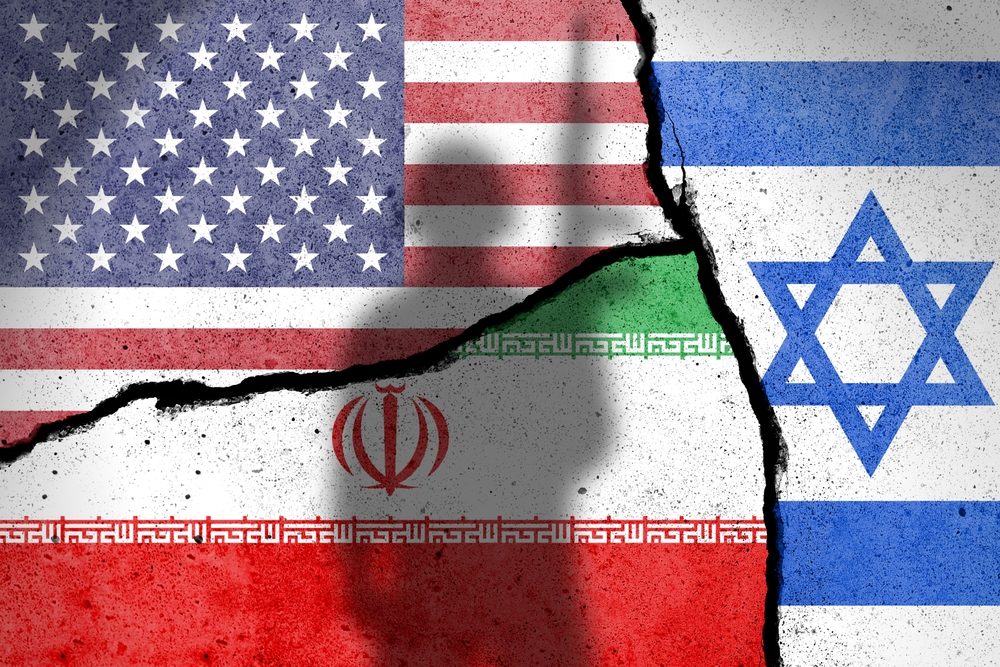
The latest escalation has intensified after Hezbollah launched rockets and drones across the border in retaliation for the assassination of Iran’s Supreme Leader Ayatollah Ali Khamenei, pulling Lebanon further into the broader war involving Israel, the United States and Iran. Hezbollah leader Naim Qassem said the group would confront Israel to the furthest limits and would not surrender, a pledge that points to continued exchanges even as civilian displacement expands.
Israel’s military leadership has framed the campaign as a push to remove the threat Hezbollah poses. Chief of staff Lt Gen Eyal Zamir said Israel would not stop until Hezbollah is disarmed, signaling a strategic end state that implies sustained pressure and potentially prolonged operations.
Lebanon’s internal political tensions have sharpened alongside the conflict. Prime Minister Nawaf Salam condemned Hezbollah’s actions as irresponsible and said his government had banned the group’s military activities. Qassem rejected that position, insisting Hezbollah has a legitimate right to bear arms and accusing the government of aligning with Israeli demands. The public dispute highlights how the conflict is testing Lebanese state authority at a moment when institutions are also grappling with displacement and casualties.
Ceasefire framework frays as France calls for restraint
The fighting is unfolding against the backdrop of a 2024 ceasefire brokered by the United States and France. Under that arrangement, Hezbollah was to move fighters north of the Litani River, roughly 30 kilometres from the border, and dismantle military infrastructure in that zone, while Israeli forces were to withdraw from southern Lebanon. After the truce, Israel continued near-daily strikes on targets it said were linked to Hezbollah, accusing the group of attempting to rebuild capabilities. Israeli troops also remained in at least five positions in the south, according to the account provided.
International reactions have centered on preventing further escalation. French President Emmanuel Macron called the situation a moment of great danger for Lebanon and urged both sides to step back. He said Hezbollah must stop firing toward Israel and called on Israel to avoid any ground intervention or large-scale operation on Lebanese territory. Macron also said France would dispatch humanitarian aid for tens of thousands of displaced civilians, reflecting growing concern that displacement will outpace local support networks.
As evacuation orders expand from border areas to major urban districts, the immediate risk for civilians is not only exposure to strikes but also the breakdown of basic services, shelter, and access to roads. The scope of Thursday’s warning suggests the conflict is moving deeper into Lebanon’s population centres, raising the likelihood of a longer and more disruptive humanitarian emergency.