


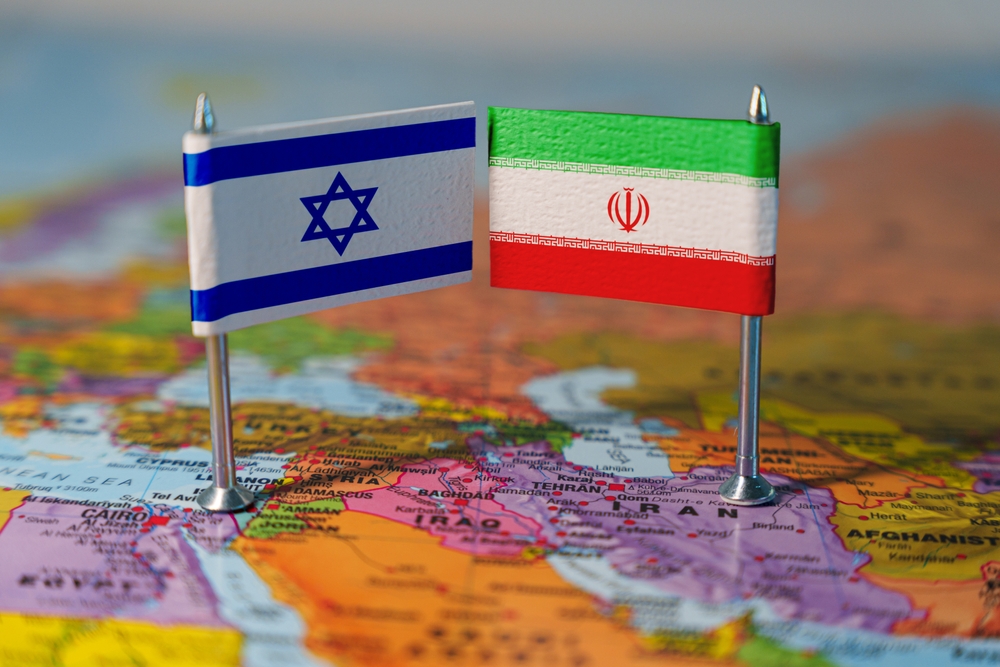
Conflict shocks spread far beyond the front lines
When airspace closes, the consequences do not stop at national borders. A traveler’s itinerary can become collateral damage within hours, even if the destination is thousands of miles from the fighting. That dynamic has defined parts of 2026 for the tourism sector, as the war involving Iran and a series of other security shocks have forced airlines, cruise lines and hotels to rewrite plans at speed.
Zoey Gong, a 30-year-old Chinese medicine food therapist, was preparing to fly from Paris to Shanghai on an Emirates itinerary routed through Dubai when the United States and Israel launched strikes on Iran on Saturday. The route unraveled after the escalation, and she told CNBC she ultimately paid about $1,600 to reach Shanghai, more than twice the cost of her original ticket.
Her experience reflects a wider reality facing the global travel industry, which supports an estimated $11.7 trillion contribution to the world economy, according to the World Travel and Tourism Council. The year’s crises have underscored that the financial and logistical fallout from military conflict and domestic unrest can travel quickly through the aviation network, pushing costs and uncertainty onto consumers and businesses far from the immediate danger.
Airspace closures trigger a mass stranding event
According to aviation data firm Cirium, more than 20,000 flights have been grounded since Saturday due to airspace restrictions linked to the Iran war, leaving more than a million people stuck around the world. Some travelers have also been stranded at sea, including passengers on cruise ships waiting for a path home as airports and transit hubs operate under heavy constraints.
Insurance demand has shifted alongside the disruption. Chrissy Valdez, senior director of operations at travel insurance marketplace Squaremouth, said inquiries for “cancel for any reason” policies surged 18-fold this week, reflecting how quickly travelers seek extra flexibility when routes can disappear without warning.
Retaliatory strikes by Iran have targeted multiple locations, including the United Arab Emirates, Qatar, Jordan, Israel and Cyprus, according to the information provided. The strain is amplified by the central role of the UAE in global aviation. Dubai International Airport is the world’s busiest airport for international passenger traffic, based on Airports Council International rankings referenced in the text, making any disruption there a multiplier for long-haul connectivity across Europe, Asia and Africa.
The U.S. State Department has urged citizens in a wide part of the region to leave immediately, but options have been limited by the same airspace constraints. The department said it is organizing charter flights for U.S. citizens seeking to return from Saudi Arabia, Israel, the UAE and Qatar.
Henry Harteveldt, founder of travel consulting firm Atmosphere Research Group, described the situation as an aviation quagmire, with airlines facing few workable pathways to move large numbers of people quickly when multiple nodes in the same corridor are constrained at the same time.
Hotels and cruises absorb operational and reputational risk
The disruption has extended beyond airports into accommodation and cruise operations. Debris fell near Accor’s Fairmont The Palm in Dubai over the weekend, the company said, resulting in four injuries though none involved guests, visitors or staff. The Burj Al Arab experienced a fire earlier this week after it was struck by debris from an Iranian drone, according to the account provided.
Cruise operators have faced a different challenge: travelers unable to disembark into functioning air routes. MSC Cruises said its MSC Euribia, which carries more than 6,300 passengers, has been stranded in Dubai while the company works to secure flights for affected guests. MSC said it is seeking priority support through partners and is exploring alternatives including charter flights departing from Dubai, Abu Dhabi or Muscat, while noting that conditions onboard remained calm.
MSC also said it would cancel its remaining winter sailings from Dubai, citing the operating environment. For the travel sector, such cancellations can be costly because they cascade into refunds, rebooking, repositioning of ships and staff scheduling, while also risking reputational damage in a market that depends heavily on perceived safety and reliability.
Harteveldt compared the week’s disruption to the scale of post-9/11 airspace measures, calling it the most chaotic event for travel since the United States closed its airspace after the attacks, excluding the pandemic-driven shutdown that halted international travel for health reasons.
Multiple crises reshape network planning and pricing
The Iran war is described as the most severe conflict this year, but it has not been the only shock to hit travel demand. Early in 2026, a U.S. strike on Venezuela and the capture of Nicolas Maduro and Cilia Flores led to airspace closures across the Caribbean, stranding travelers at resorts and vacation rentals during the holiday period.
In February, violence in parts of Mexico triggered flight disruptions including in Puerto Vallarta and Guadalajara after the Mexican army killed a cartel leader, according to the description provided. In response, travel companies have had to reroute aircraft, cancel flights, adjust cruise itineraries, expand rebooking and refund options, and discount rooms to maintain occupancy.
Those operational shifts bring direct costs, including higher fuel burn from longer routings, staffing disruption and idle asset time. The text notes that fuel and labor are among the largest expense lines for airlines and cruise operators, and that rising costs are often passed through to consumers via higher fares and pricing for travel packages.
Qantas told CNBC that its route from Perth to London will now use a flight path that requires a refueling stop in Singapore, though the stop also allows the airline to add roughly 60 passengers.
Tourism enters 2026 with confidence but faces new headwinds
Travel executives began the year with optimistic forecasts. Delta Air Lines and United Airlines were among carriers projecting record earnings in 2026, according to the summary. That confidence has been underpinned by a strategy centered on premium offerings, targeting higher-spending travelers who account for a growing share of revenue. Industry observers warn that when geopolitical risk interrupts demand for higher-priced trips, the impact can be disproportionate for operators and destinations that rely on international visitors.
Mexico illustrates the stakes. Tourism represents close to 9% of the country’s economy, and international tourist arrivals rose 13.6% last year to 98.2 million, with spending of nearly $35 billion, according to Mexico’s Tourism Ministry. Yet airlines have already adjusted capacity to Puerto Vallarta from the United States in the near term. Delta reduced routes from April 3 through the end of the month, keeping only once-daily service from Los Angeles and Atlanta, according to the Cranky Network Weekly newsletter cited in the text. Alaska Airlines and Southwest Airlines also reduced service in March.
The newsletter’s authors, Brett Snyder and Courtney Miller, suggested that headlines could shift toward the Middle East and that bookings might recover, but they flagged airline capacity adjustments as a key early signal to watch.
On the ground, hotels are reporting localized effects. Victor Razo, manager of the Rivera del Rio hotel in Puerto Vallarta, said bookings were down about 10% versus last year. He said the property ran promotions that lowered rates by roughly 10% to 20% ahead of spring break and Holy Week, while adding that the hotel was not near the disruptions, which included road blockades, and that reservations later stabilized.
The travel sector now faces an additional timing challenge. The disruption arrives roughly three months before the FIFA World Cup, which will be hosted by cities in Canada, Mexico and the United States, heightening sensitivity to any developments that affect travel confidence or airline capacity planning in North America.