


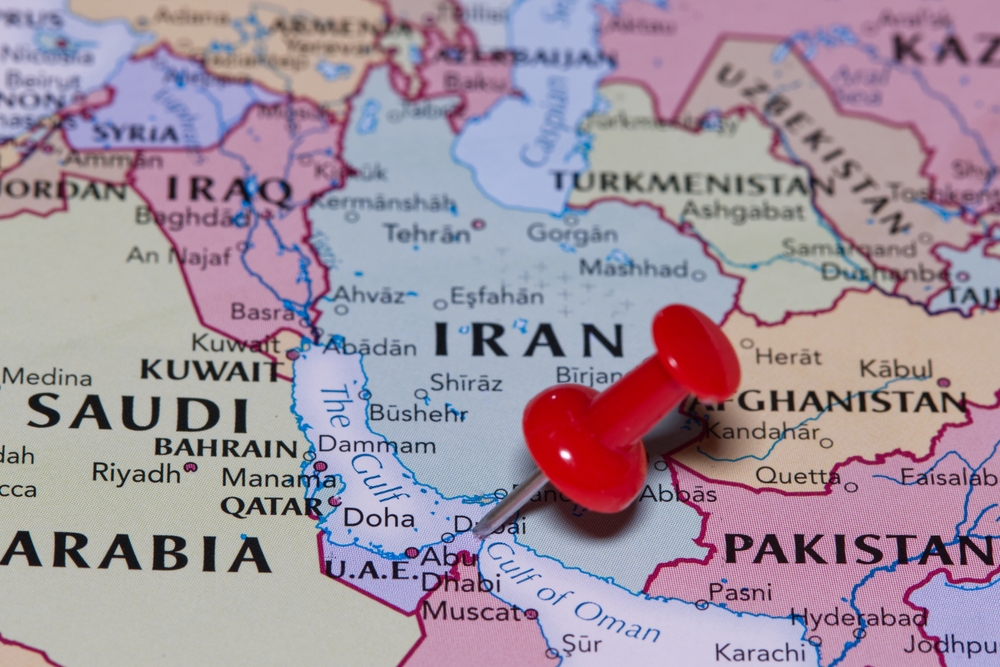
Tehran Signals Danger for Shipping Through Hormuz
Iran’s foreign ministry warned on Monday that oil tankers transiting the Strait of Hormuz “must be very careful,” as the conflict with the United States and Israel continues to disrupt energy markets.
Speaking to CNBC, foreign ministry spokesman Esmail Baghaei said: “As long as the situation is insecure, I think all tankers, all maritime navigation, must be very careful.” Baghaei is also head of Iran’s Center for Public Diplomacy.
The comments come as crude prices have surged above $100 a barrel amid reports that traffic through Hormuz has been effectively curtailed.
Baghaei Defends Strikes on U.S.-Linked Assets in the Gulf
Baghaei defended Iran’s regional strikes, arguing that attacks on “military bases and assets” tied to the United States are lawful self-defense.
“What we are doing against military bases and assets belonging to the aggressors to the United States in the region, is legitimate under international law,” he said. Baghaei added that Iran views its actions as justified under Article 51 of the U.N. Charter.
He said Iran considers “all military bases, installations and assets” that are being used “in any form or manner” to support U.S. operations as legitimate targets.
Gulf Strikes Framed as Defensive by Tehran
Asked about attacks across Gulf states, including reported strikes on desalination plants in Bahrain, oil refineries in Saudi Arabia and civilian infrastructure in the United Arab Emirates, Baghaei said: “We are only defending our country against the aggressors.”
Iran Signals Long Fight and Backs New Supreme Leader
Baghaei said Iran will fight the United States and Israel “as long as it takes,” and claimed the country is preparing for all scenarios, including the possibility of a ground invasion.
He also said Iran would “unite around” Mojtaba Khamenei, named as the new supreme leader over the weekend after Ayatollah Ali Khamenei was killed on the first day of the U.S.-Israeli war on Iran.
“The state institutions, the people, the authorities, have all shown that they would unite around the new leadership,” Baghaei said.
Baghaei Rejects U.S. Role in Iran’s Leadership Choice
Baghaei dismissed suggestions by President Donald Trump that the United States should influence who leads Iran.
“It is the absolute, unique right of the Iranians to decide about their leadership, about their system,” he said, adding that outside intervention would be “absolutely unlawful.”