


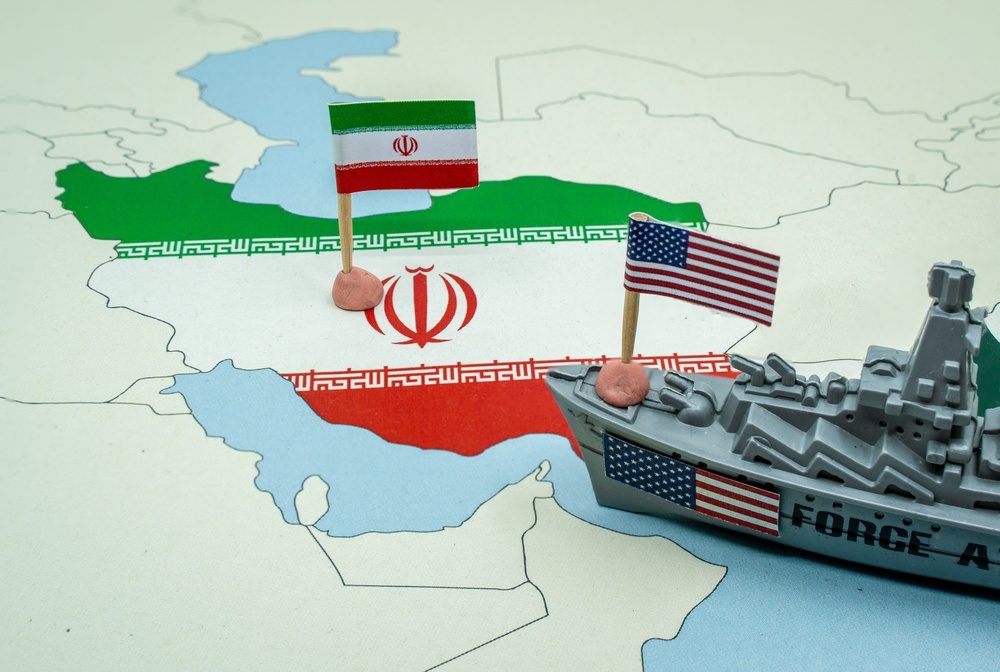
U.S. President Donald Trump said the war with Iran may end “soon,” arguing there is “practically nothing left” for the U.S. military to bomb, as the conflict entered another day of strikes, market volatility, and renewed warnings over the Strait of Hormuz.
In an interview with Axios on Wednesday, Trump said he could end the fighting at will. “Any time I want it to end, it will end,” he was quoted as saying. The White House has not provided a timetable for concluding the campaign, and it remains unclear whether Tehran would accept a ceasefire announced only by Washington.
Mixed Signals on Endgame and Timeline
Trump said the operation is progressing faster than planned. “The war is going great. We are way ahead of the timetable,” he said, adding that damage exceeded expectations even compared with an original six-week period.
Israel signaled a less defined timeline. Israeli Defence Minister Israel Katz, cited by The Times of Israel, said the operation would continue “without any time limit” until objectives are met.
Iran has also set conditions. Iranian President Masoud Pezeshkian said Tehran’s terms for ending the war include compensation for the U.S.-Israeli assault and firm international guarantees that Iran would not be attacked again.
Hormuz Disruptions Keep Pressure on Energy Markets
Despite repeated U.S. statements that Iran’s capabilities are being degraded, Tehran has continued to launch drones and missiles toward Israel and to target U.S. assets across the region, while the Strait of Hormuz has remained largely closed to commercial shipping due to security and insurance risks.
The disruption has pushed oil prices higher and added to global economic uncertainty. Trump has previously threatened Iran with “death, fire and fury” if it continues blocking Hormuz. On Wednesday, three vessels were attacked near the strait, underscoring the risks to maritime traffic.
Conflicting public messaging has also heightened uncertainty. U.S. Energy Secretary Chris Wright posted on X that the U.S. Navy had escorted an oil ship through Hormuz and then deleted the post. The White House later confirmed the claim was not true. Iranian Foreign Minister Abbas Araghchi accused U.S. officials of posting “fake news to manipulate markets.”
U.S. Central Command urged Iranian commercial port workers and crews to avoid Iranian naval vessels and equipment, saying Iranian forces have positioned military assets within civilian ports serving maritime traffic.
Objectives Broaden as Questions Grow Over “What Next”
U.S. messaging on the campaign’s goals has shifted. Trump initially framed the war as supporting “freedom” for Iranians, but officials have increasingly emphasized destroying Iran’s nuclear, missile and drone programs, as well as degrading its navy. Trump’s aides have said the president alone will decide when the objectives have been met.
Iran’s Assembly of Experts has selected Mojtaba Khamenei to succeed his father, Ayatollah Ali Khamenei, who was killed in the opening U.S.-Israeli strikes on Feb. 28. Asked if he could declare victory with the new supreme leader in place, Trump said he did not want to comment.
U.S. lawmakers have also raised questions about what would prevent Iran from rebuilding. After a classified briefing, Democratic Senator Chris Murphy said the apparent objective is destroying missiles, boats and drone factories, but questioned what happens when bombing stops and production restarts. Murphy wrote that officials suggested the possibility of more strikes, calling it a pathway to “endless war.”