


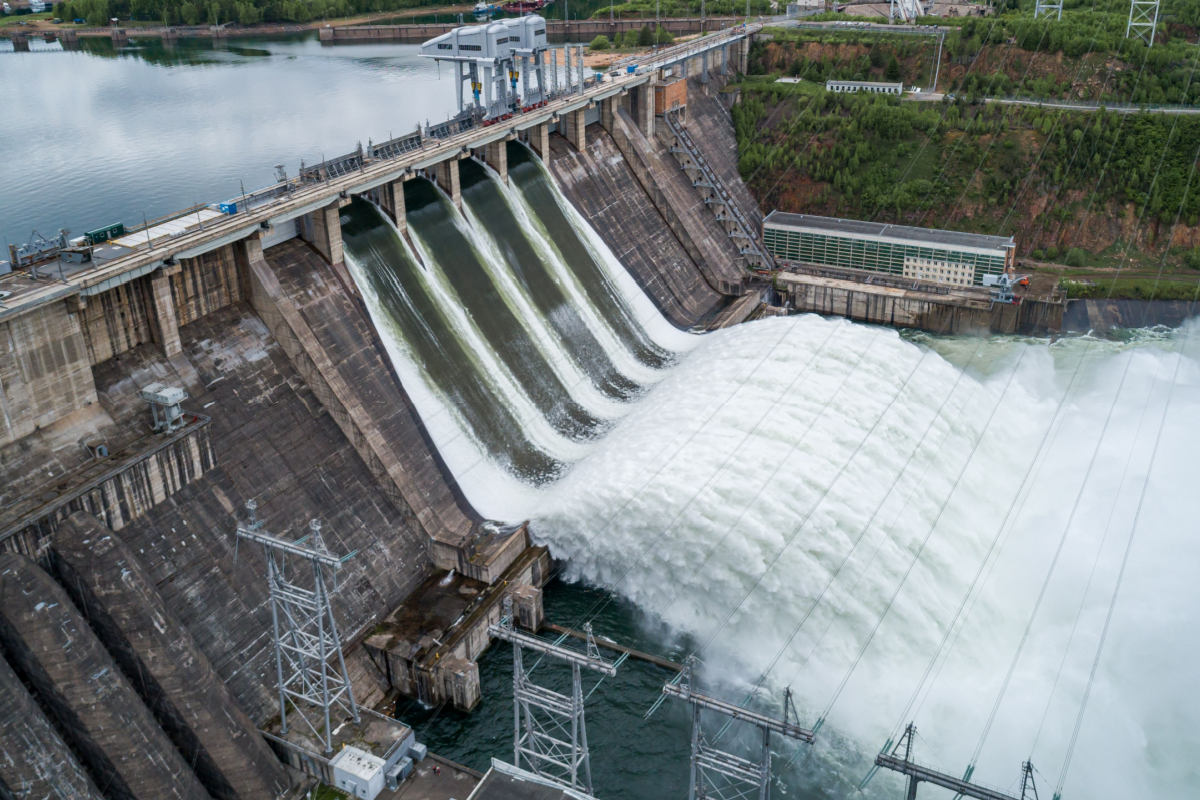
Hydropower Praised, But Growth Looks Limited
US hydropower output is drawing fresh praise from global and US leaders. The International Energy Agency director called hydropower a “forgotten giant.” President Donald Trump has called it “fantastic,” contrasting his criticism of wind and solar.
Yet the numbers show a flat profile. Hydroelectric generation rose just 1.7% last year, according to federal energy data. Hydropower supplied about 5.6% of total US electricity generation. Wind surpassed it in 2019, and utility scale solar passed it in 2025.
Hydropower still anchors several regional grids. It remains the top electricity source in Washington and Oregon. Many other states rely on it for firm capacity during peak hours. But new construction has remained scarce for decades.
An Aging Fleet Faces Licensing and Cost Barriers
The US hydropower fleet is old. Most dams are more than 50 years old. Some plants have operated for more than a century. The last year with more than 1,000 megawatts of new hydropower capacity was 1985.
Recent additions have tended to be small. One example is a 1 megawatt facility that entered service in 2024 in San Bernardino County, California. This kind of project can help local supply. It cannot reshape national totals on its own.
Industry leaders want policy changes. Malcolm Woolf, head of the National Hydropower Association, says hydropower has “never been more important on the grid.” He says faster renewals for expiring licenses could unlock upgrades. He also supports expanded federal loan guarantees for new projects.
Large new dams face long timelines and high costs. A major Canadian project, Site C, cost about $12 billion and took roughly 10 years to complete. It added about 1,100 megawatts. That schedule helps explain US caution. Utilities often prefer faster builds for near term demand.
Pumped Storage Leads the Next Wave
The United States has about 79,892 megawatts of hydropower capacity. It also has about 23,156 megawatts of pumped hydro storage. By comparison, combined cycle natural gas capacity stands near 300,000 megawatts.
Pumped storage is drawing attention as long duration storage. Operators pump water uphill when power is cheap. They release it later through turbines when demand rises. This cycle supports grid reliability and renewable balancing.
One large project in development is Goldendale Energy Storage in Washington state. The project targets about 1,200 megawatts. Developers have secured a federal license. They still need firm purchase agreements from electricity buyers.
Other projects sit at earlier stages. One example is Rorex Creek in Alabama, linked to the Tennessee Valley Authority. These projects could help meet rising demand from data centers. Many technology firms also want carbon free power for new loads.
Environmental and Climate Risks Shape the Outlook
Hydropower brings environmental tradeoffs. Dams can flood ecosystems and reshape river habitats. Many projects have displaced communities, including Indigenous communities. These issues complicate new builds and raise permitting risks.
Climate change adds another layer of uncertainty. Shifts in snowfall and rainfall can change seasonal flows. Patrick Ray, a water resources engineer, says impacts will vary by region. He notes that extreme rainfall can force spillway releases. That water bypasses turbines and cuts generation. Drought can also reduce output for long stretches.
Woolf says the West is seeing less winter snow and more spring rain. He argues that some regions remain steady. He also points to research suggesting output could rise in many areas. Some parts of the Southwest could remain vulnerable.
Hydropower offers key advantages when conditions cooperate. It can deliver power around the clock. It can also run for generations with proper maintenance. Some US plants date back to the late 1800s. One of the oldest listed units began operating in 1891 near Stevens Point, Wisconsin.
Developers now face pressure to build quickly for new loads. That focus can undervalue durability and grid services. Hydropower can provide both, but the sector needs clearer incentives and faster pathways to upgrade.
SEO keywords: hydropower, pumped hydro storage, US electricity generation, renewable energy, grid reliability, data center power demand, FERC licensing, hydropower capacity, long duration storage, climate change and hydropower