


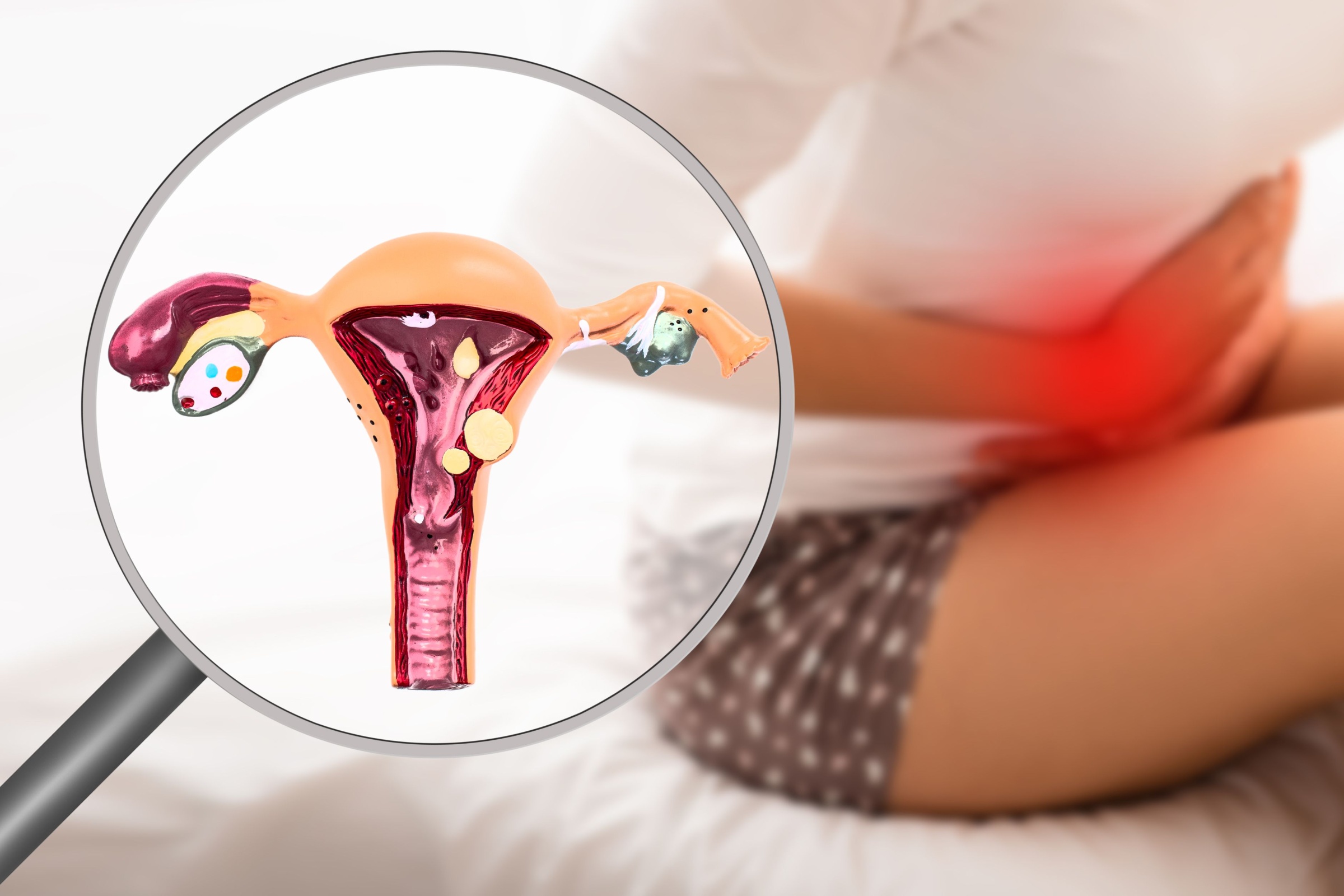
New studies suggest endometriosis symptoms beyond reproduction may be far more common than many doctors once assumed. Researchers are finding that the inflammatory disease can affect organs and systems well outside the uterus and ovaries, helping explain why many patients report fatigue, bowel problems, urinary symptoms, nerve pain, and other issues that often seem unrelated at first.
That broader view marks a shift in how specialists describe the condition. Endometriosis occurs when tissue similar to the uterine lining grows outside the uterus, forming lesions and cysts. For years, many patients and clinicians treated it mainly as a fertility or gynecologic problem. But surgeons and researchers now say the disease can involve the bowels, lungs, muscles, nerves, and even the sac around the heart.
Megan Wasson, a minimally invasive gynecologic surgeon at the Mayo Clinic in Phoenix, said the inflammatory process of endometriosis can affect “every single organ system” and severely damage quality of life.
Large Study Linked the Disease to Hundreds of Conditions
A major study from the University of California, San Francisco used anonymous electronic health records from nearly 40,000 patients across six California university health systems. Researchers compared women with an endometriosis diagnosis to women of similar ages without one. They confirmed expected links such as heavy periods, ovarian cysts, and infertility. They also found a much longer list of associated conditions.
Those links included asthma, autoimmune diseases, migraines, gastroesophageal reflux, and vitamin D deficiency. In total, the team identified several hundred symptoms and medical conditions tied to the disease. The study did not test the exact mechanisms behind each link. Still, researchers say several likely explanations exist, including chronic inflammation, excess estrogen production, genetic overlap with other pain-related conditions, and nervous-system changes tied to long-term pain.
Marina Sirota, a pediatrician and data scientist at UCSF and senior author of the study, said the findings show that endometriosis is “a complicated disease” involving multiple processes across the body. She added that related lab work from her group suggests the disease may disrupt immune-cell communication and alter nerve pathways.
Recent research has also raised questions about cardiovascular risk. One study published last summer in Hypertension tried to examine why endometriosis is linked to a higher risk of heart disease. Researchers found an unusual blood-pressure response to physical stress, though they said the connection remains unclear.
New Clues Could Help Doctors Diagnose It Earlier
The broader symptom pattern could matter because endometriosis remains hard to diagnose. Current estimates suggest it affects about 11% of American women, but many cases likely go undetected. Diagnosis often takes years, and some patients wait close to a decade before receiving an answer.
Researchers say this is where endometriosis symptoms beyond reproduction could become clinically useful. If future studies confirm patterns in large health-record analyses, doctors outside of gynecology may detect the disease earlier. For instance, a neurologist treating migraines might refer a patient for further evaluation if they also report pelvic pain or digestive symptoms..
Today, doctors can only confirm endometriosis with a tissue biopsy. Linda Giudice, a UCSF reproductive endocrinologist and coauthor of the database study, said many women spend years in pain without knowing why. She noted that patients are often dismissed or told that severe menstrual pain is normal.
Researchers are also working on less invasive tools. A dozen biotech companies are developing screening or diagnostic tests that use saliva, blood, or menstrual blood to detect biological signals linked to diseases. Some tests are available in the US, but more research is needed to assess their accuracy.
A Wider View May Also Improve Treatment
The expanding view of the disease may also change treatment. Specialists say endometriosis care works best when doctors treat the whole patient rather than only reproductive symptoms. That can mean gynecologists working alongside neurologists, gastroenterologists, or pain specialists when patients have migraines, bowel issues, or nerve pain in addition to pelvic disease.
Doctors also say treatment remains uneven. Hormonal birth control is still recommended as a first-line therapy for pain, but researchers reviewing a decade of U.S. insurance claims found that clinicians often overlooked it in favor of opioids or hysterectomy. A hysterectomy may fail to stop pain because lesions can exist far from the uterus.
For patients with advanced disease, specialists often recommend excision surgery, a minimally invasive procedure that removes lesions at their roots. Surgeons may remove inflammatory tissue from the pelvis, abdomen, bowels, thoracic cavity, or other affected areas. Experts say excision is more likely than ablation, which burns tissue, to reduce chronic pain.
That point has become central to the new science. Studies increasingly show that endometriosis symptoms beyond reproduction reflect a systemic inflammatory disease, not a narrowly reproductive one. Researchers say that recognition could lead to earlier diagnosis, broader treatment options, and better care for patients whose symptoms have long been underestimated.