


Why forecasters say the risk is rising
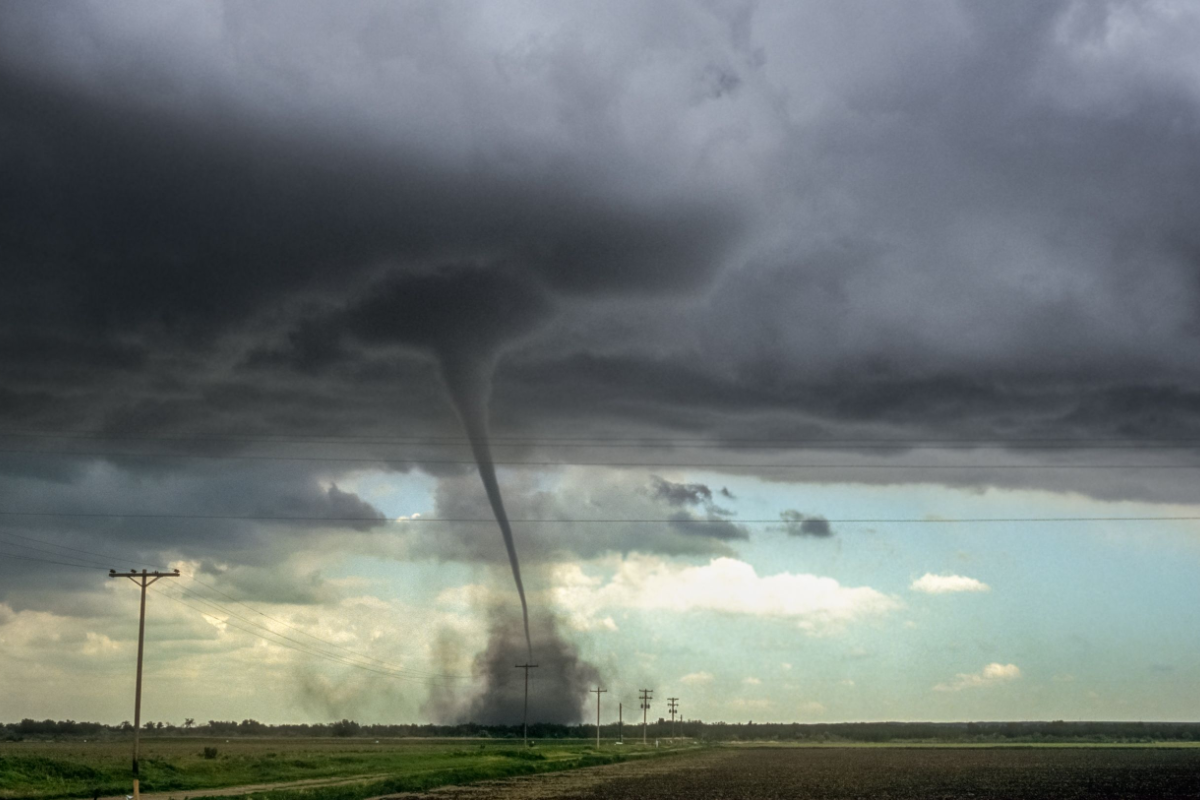
The Washington, D.C. region is seeing more “outbreak days” that can produce not just one tornado, but multiple tornadoes, and climate change is a key driver of the trend, according to Climate Central meteorologist Shel Winkley.
Winkley said a warming climate is increasing the number of days with the ingredients needed for severe thunderstorms. In practical terms, that means more opportunities for storms capable of producing tornadoes and other dangerous weather.
He also pointed to a broader shift in where tornado-favorable conditions show up. The traditional core of US tornado activity, often referred to as “Tornado Alley,” appears to be shifting farther east, which can increase severe weather potential for regions that historically saw fewer tornado setups.
What “outbreak days” look like on the ground
Outbreak days, Winkley explained, are the days when a large line of storms moves across an area and produces multiple supercell thunderstorms. Those supercells are the type of rotating storms most associated with tornado formation.
When the atmosphere supports it, a single storm system can generate numerous supercells across a broad region, raising the chance of multiple tornadoes over a short period of time.
Forecast accuracy and public response
Winkley acknowledged that even with modern tools, forecasts can still miss the mark, including when a threat ends up being overhyped. In those situations, public frustration can follow, especially if schools, businesses, or local governments made precautionary decisions based on early predictions.
He said the takeaway after events like this is to evaluate how warnings were communicated, including the graphics used, the clarity around timing, and whether people were prepared for what the weather could actually bring.
Forecasting has improved, even if uncertainty remains
Winkley said weather forecasting has improved dramatically compared with decades ago. Where a three-day forecast was once considered solid and a five-day outlook unreliable, today a five-day forecast is strong, a seven-day forecast is generally usable, and a 10-day outlook can provide a meaningful sense of the pattern ahead.
The challenge now is balancing that improved skill with the reality that severe weather can still change quickly, and messaging has to help people prepare without creating fatigue when the worst outcomes do not materialize.