


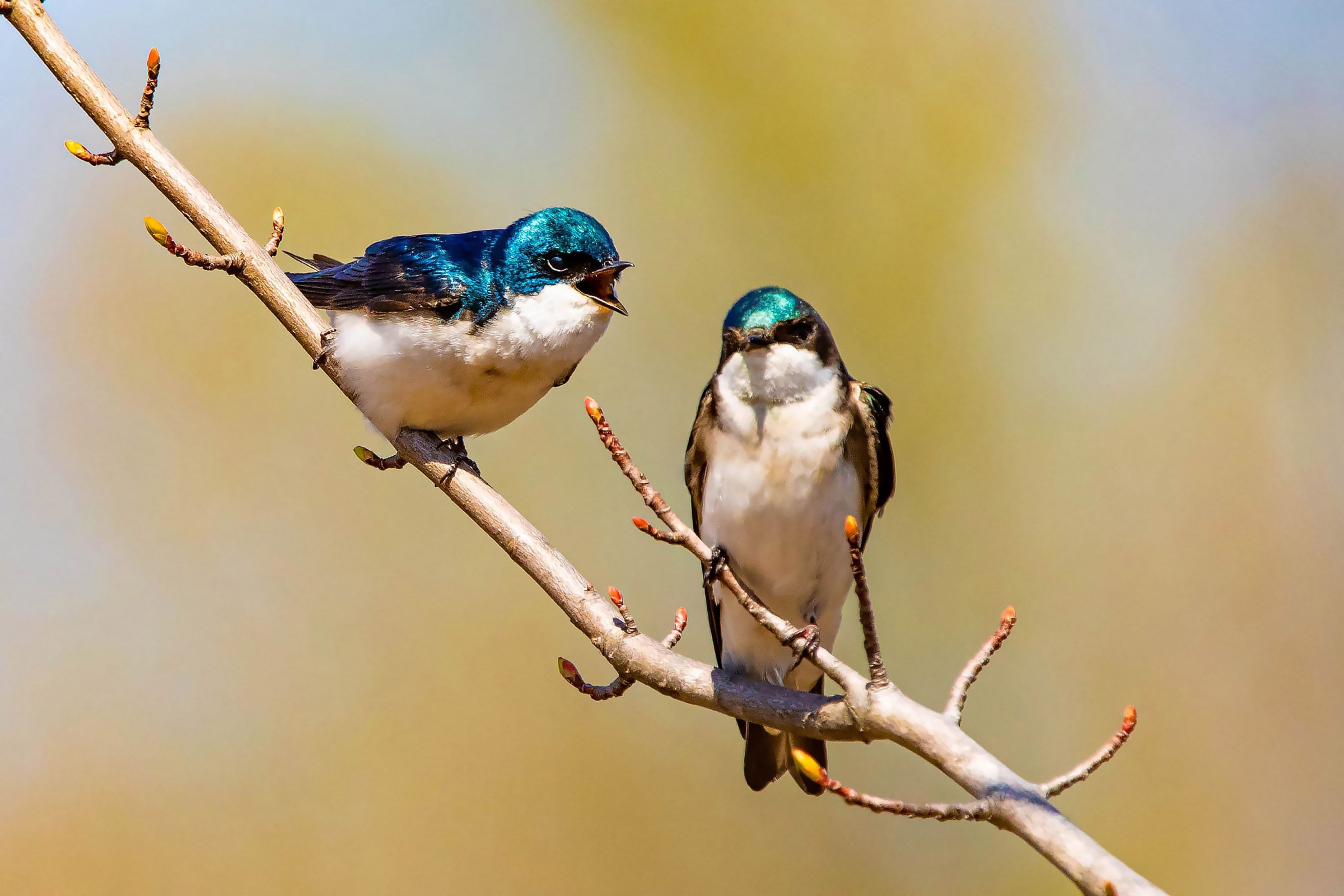
A new study suggests that humans and animals respond to the same mating calls more often than scientists expected. Researchers used an online citizen science game to test whether people preferred the same animal sounds that female animals prefer when choosing mates. Across thousands of responses, the answer was often yes.
The project drew on an unusual mix of evolutionary biology and public participation. More than 4,000 people from around the world listened to paired sounds from 16 species and picked the one they liked better. In each pair, earlier animal research had already shown which call the animals themselves preferred. The team then asked a simple question: would humans make the same choice?
The results showed broad overlap. The stronger the animal’s preference for a call, the more likely a human participant was to choose that same sound. People also made those choices more quickly, suggesting that some preferences may be intuitive rather than slow or deliberate.
The Study Reached Back to Classic Frog Research
The work builds on decades of research into mate choice. In the early 1980s, scientists at the Smithsonian Tropical Research Institute showed that female túngara frogs prefer more complex male calls. That earlier finding became a landmark in the study of sexual selection and animal communication.
In the new paper, researchers expanded that question beyond frogs. Lead author Logan James, a research associate at the Smithsonian Tropical Research Institute, said the team wanted to know whether human preferences for animal calls aligned with those of female animals. The broader goal was to test whether some sound preferences may be more universal across species than previously thought.
The study also drew interest from earlier evidence that other species, including predators and parasites, sometimes favor the same complex calls. According to the researchers, that pattern raised the possibility that certain acoustic features appeal widely because many animals share similar sensory biases.
Lower Pitches and Extra Flourishes Stood Out
The strongest agreement between human and animal preferences appeared in certain types of sounds. People and animals showed the most overlap for lower-frequency calls and for calls with acoustic additions such as trills, clicks, and chucks.
That pattern matters because it points away from purely cultural explanation. If people across many backgrounds tend to favor some of the same sound qualities that animals use in mate choice, the response may reflect basic features of hearing and perception rather than learned taste alone. Senior author Samuel Mehr of Yale University’s Child Study Center said the game format enabled comparisons of many human judgments across many species at once.
The paper, published in Science, argues that preferences for some animal sounds may be more broadly shared than scientists had assumed. That does not mean humans hear mating calls exactly as animals do. But it does suggest that parts of sensory preferences may overlap across species due to common properties of nervous systems.
The Findings Revive an Old Darwin Idea
The researchers link their results to a much older scientific observation. Charles Darwin wrote that animals seem to have a “taste for the beautiful” that can parallel human preferences. The new study does not completely settle that idea, but it provides fresh support by showing measurable agreement between human listeners and animal mate-choice patterns.
For evolutionary biologists, the study opens a wider question about how aesthetic preferences emerge. If humans and animals respond similarly to mating calls, some judgments about sound may arise from shared sensory design rather than from species-specific culture alone. That makes the findings relevant not only to animal behavior, but also to how scientists think about beauty, perception, and the roots of preference itself.