


A cache of million-year-old New Zealand cave fossils is giving scientists a rare look at a largely missing chapter in the islands’ natural history. Researchers working in a cave near Waitomo on New Zealand’s North Island uncovered remains from 16 species, including 12 birds and 4 frogs. The fossils date to about 1 million years ago and reveal an ecosystem very different from the one people encountered much later.
The team says the discovery fills a major gap in the fossil record. Scientists already had a snapshot of life in Aotearoa between about 20 and 16 million years ago from sites at St Bathans in Central Otago. But the long stretch between that period and the wildlife present before human arrival remained poorly documented. The new cave material helps bridge that gap.
Volcanoes and Climate Kept Resetting the Fauna
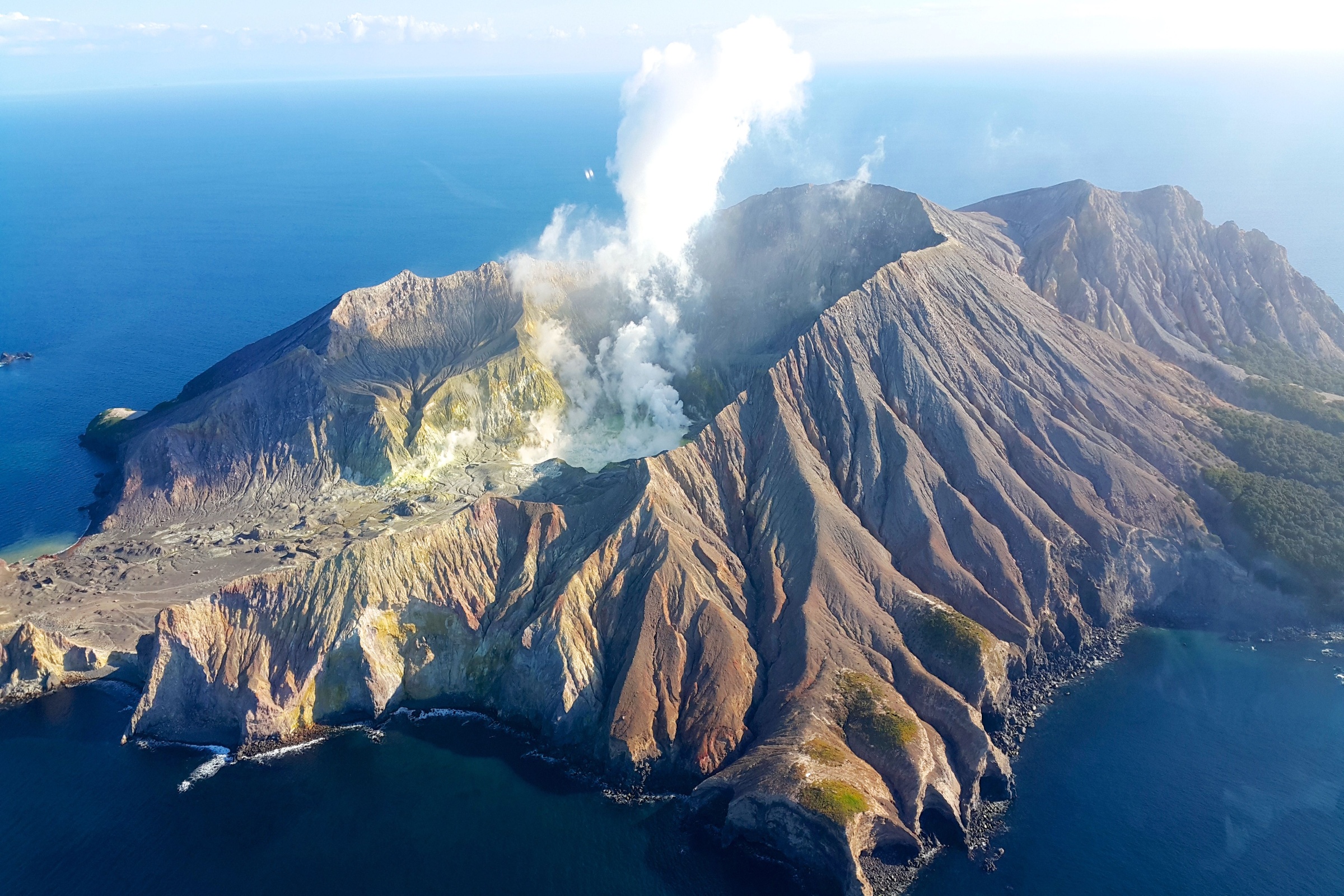
The study argues that New Zealand’s wildlife underwent repeated changes long before humans arrived. Researchers say rapid climate shifts and major volcanic eruptions drove waves of extinction and replacement across the islands. They estimate that about 33% to 50% of species disappeared in the million years before human arrival in Aotearoa, New Zealand.
That finding changes the usual framing of New Zealand extinction history. For decades, much public attention has focused on the losses that followed human settlement about 750 years ago. The new evidence shows that natural forces had already been reshaping the islands’ birdlife and other fauna over very long timescales.
An Ancient Kākāpō Relative Stands Out
Among the most notable finds is a newly identified parrot, Strigops insulaborealis, described as an ancient relative of the modern kākāpō. Today’s kākāpō is large and flightless, but researchers say this earlier species may have been capable of flight. Fossil evidence suggests it had weaker legs than modern birds, which may indicate it was less adapted for climbing.
The cave also held fossils of an extinct takahē ancestor and an extinct pigeon related to Australian bronzewing pigeons. Together, these remains suggest that changing forests and shrublands repeatedly reorganized bird communities on the North Island.
Ash Layers Helped Date the Site
Scientists dated the fossils using two distinct volcanic ash layers inside the cave. One came from an eruption about 1.55 million years ago. The other came from a much larger eruption around 1 million years ago. These ash bands helped bracket the age of the fossil deposits and showed that the site preserves a narrow but valuable window into the Early Pleistocene.
The later eruption likely blanketed much of the North Island in meters of ash. Much of that material later washed away, but some remained protected inside caves. The older ash layer also suggests that this is the oldest known cave on the North Island.
For paleontologists, the importance of these million-year-old New Zealand cave fossils goes beyond one dramatic discovery. The fossils provide a baseline for understanding how climate, volcanism, and isolation shaped the islands’ wildlife before human influence. That makes the cave less like a single fossil site and more like a time capsule from a lost ecosystem.